
How Family Can Support You During Recovery
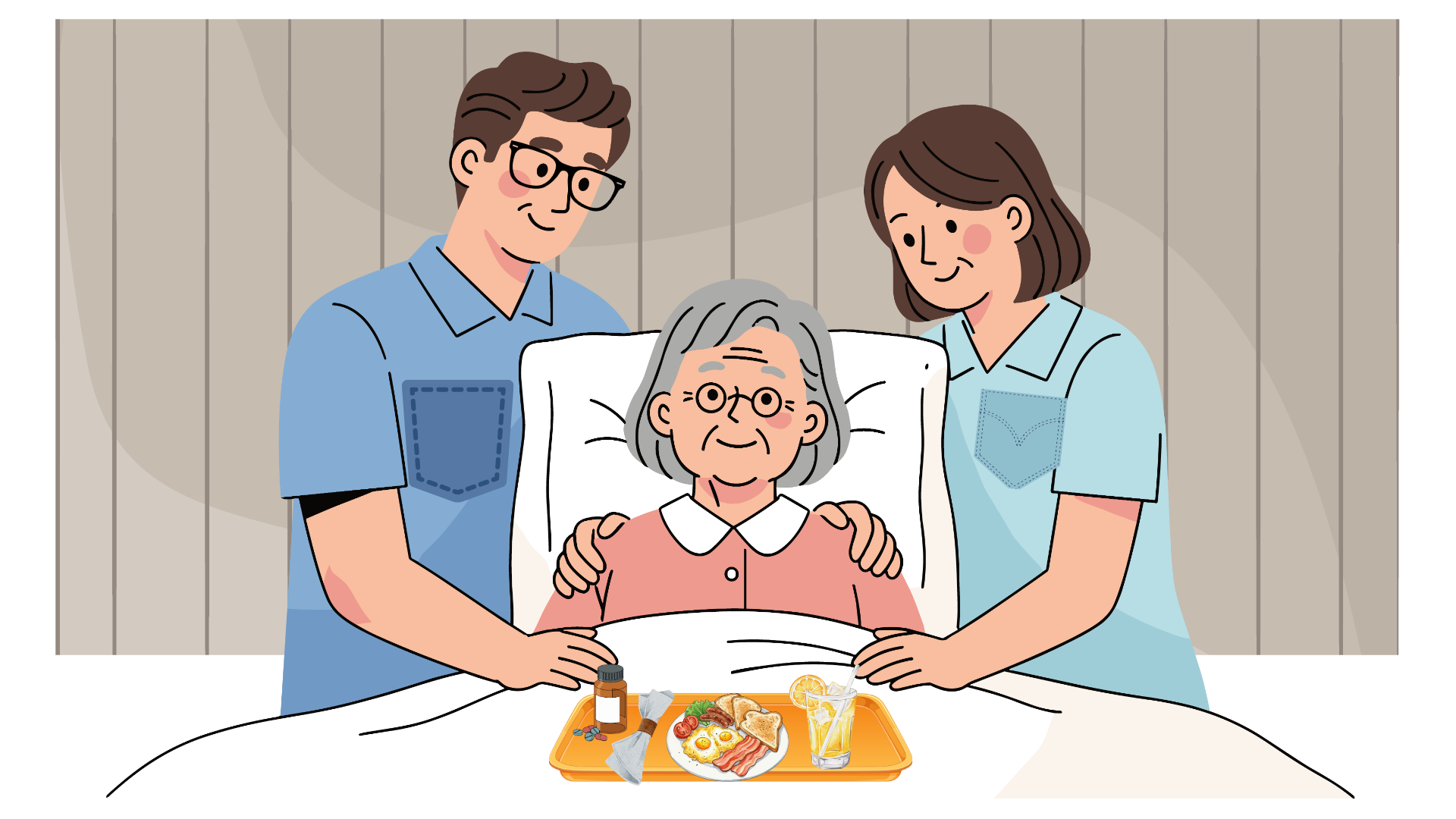
Recovering from surgery isn’t just a physical journey — it’s an emotional and logistical one too 💛 And this is where family and close friends can make a huge difference. Having the right support around you can help you heal safely, feel less overwhelmed, and stay more comfortable during recovery.
Practical help matters more than people realize.
In the first few days after surgery, even simple tasks can feel exhausting. You may need help with things like preparing meals, managing medications, carrying items, getting in and out of chairs, or helping with hygiene and dressing. These might seem like small things, but they add up quickly — and having support can save your energy for healing 🛌✨
Emotional support is just as important.
Recovery can come with frustration, mood swings, anxiety, or moments where you feel stuck or discouraged. Having someone who listens, checks in, or just sits with you can make a big difference 🤍 Encouragement, patience, and reassurance go a long way when your body is doing hard work behind the scenes.
Clear communication makes everything easier.
Let your family or support people know what to expect during the first week or two. Talk about your mobility limits, when you may need help, and what tasks feel hardest right now. Creating a loose plan — like who helps with meals or errands — helps everyone feel more confident and avoids confusion 📋👍
Balance help with independence.
While accepting help is important, doing what you can safely on your own is just as valuable. Family can support you best by stepping in when needed — and stepping back when you’re capable. This balance builds confidence and helps you feel more like yourself again 💪
Think beyond the first few days.
Recovery doesn’t end when you get home. Depending on your surgery, you may need support for several weeks. Planning ahead for rides to appointments, help around the house, or regular check-ins can reduce stress later on 🚗📅
Recovery is truly a team effort 🤝 When family and friends understand how to help — and you feel comfortable asking for it — the entire process becomes smoother, calmer, and more manageable. You don’t have to do this alone, and leaning on support is one of the smartest things you can do for your healing.
