

What to Know as You Prepare
You’ve likely set a surgery date, already had the knee replacement or maybe you’re still deciding! A total knee replacement is a common and highly effective procedure designed to reduce pain, improve mobility, and help you return to daily activities that have become difficult or uncomfortable. If knee pain has been limiting your walking, sleep, or quality of life, this surgery is often recommended when other treatments are no longer providing relief. I will be honest, total knee replacement recovery is NOT a walk in the park. It’s a long recovery and patients are often surprised by how much pain they have during the first several weeks. You’re already ahead of the game by expanding your research and preparing beyond the general education provided 👊.
Understanding what this procedure involves — and what recovery generally looks like — can make the process feel far less overwhelming.
What Happens During a Total Knee Replacement?
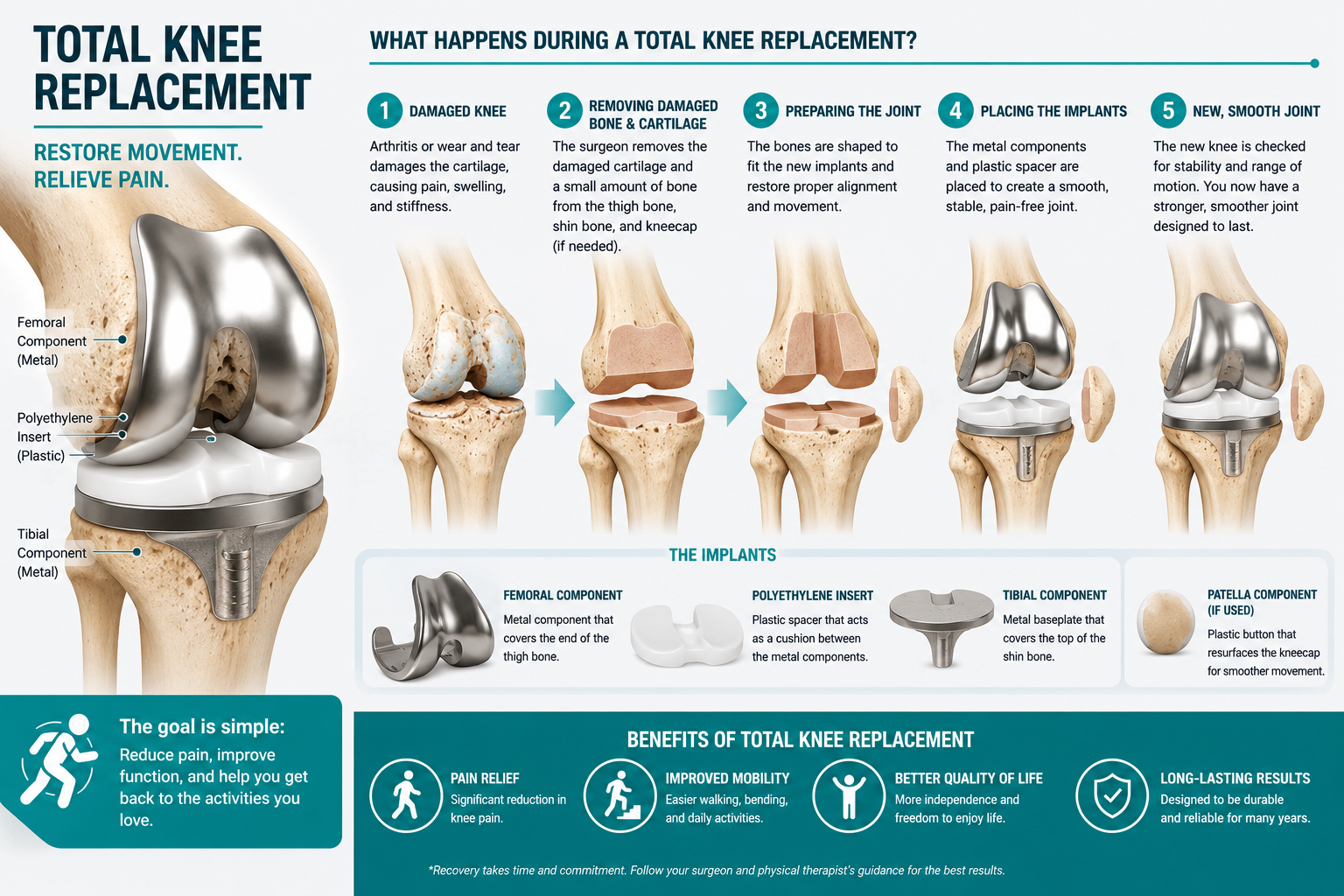
Why Knee Replacement Is Recommended
Total knee replacement is typically recommended for people with significant joint damage from arthritis, injury, or wear and tear that causes:
✅ Persistent knee pain
✅ Stiffness or loss of motion
✅ Difficulty walking, standing, or climbing stairs
✅ Swelling that doesn’t improve with conservative care
For many patients, this surgery opens the door to improved mobility and independence.

What Recovery Often Feels Like
Recovery after knee replacement is a gradual process. Early on, it’s normal to experience swelling, stiffness, soreness, and fatigue. These symptoms are expected as your body heals and adapts to the new joint.
Progress usually comes in phases — not in a straight line. Some days feel encouraging, while others feel slower or more uncomfortable. This pattern is normal and does not mean recovery is off track.
With time, consistency, and guidance, most patients notice steady improvements in walking, strength, and overall comfort.
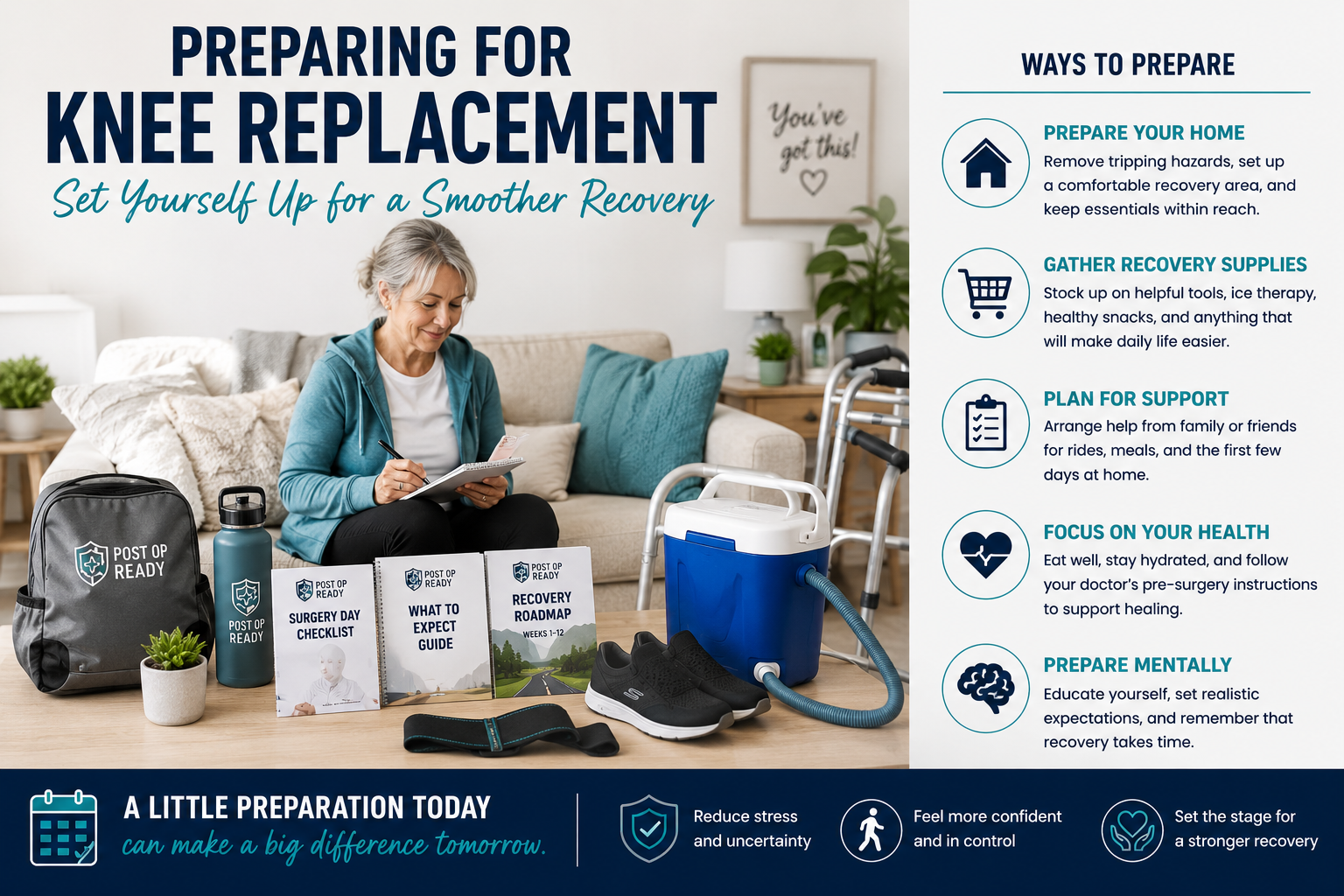
Why Preparation Matters
One of the biggest challenges after knee replacement isn’t the surgery itself — it’s navigating the recovery without knowing what’s normal. Understanding timelines, movement expectations, swelling patterns, and common questions ahead of time can significantly reduce stress and uncertainty.
Patients who feel prepared often report feeling more confident, calmer, and better able to focus on healing rather than worrying.
How Post-Op Ready Supports Knee Replacement Patients
Our Total Knee Replacement Post-Op Bundle is designed to guide you through recovery step by step — before surgery, during the hospital stay, and throughout the early weeks at home.
Instead of overwhelming you with exercises or medical jargon, the bundle focuses on:
👊 What recovery typically feels like
👊 How to move safely and confidently
👊 What symptoms are normal vs. concerning
👊 How to manage swelling, stiffness, sleep, and daily activities
👊 What questions to ask and what milestones to expect
It’s not a replacement for your surgeon or physical therapist — it’s a preparation and education tool that helps you feel informed, supported, and ready.

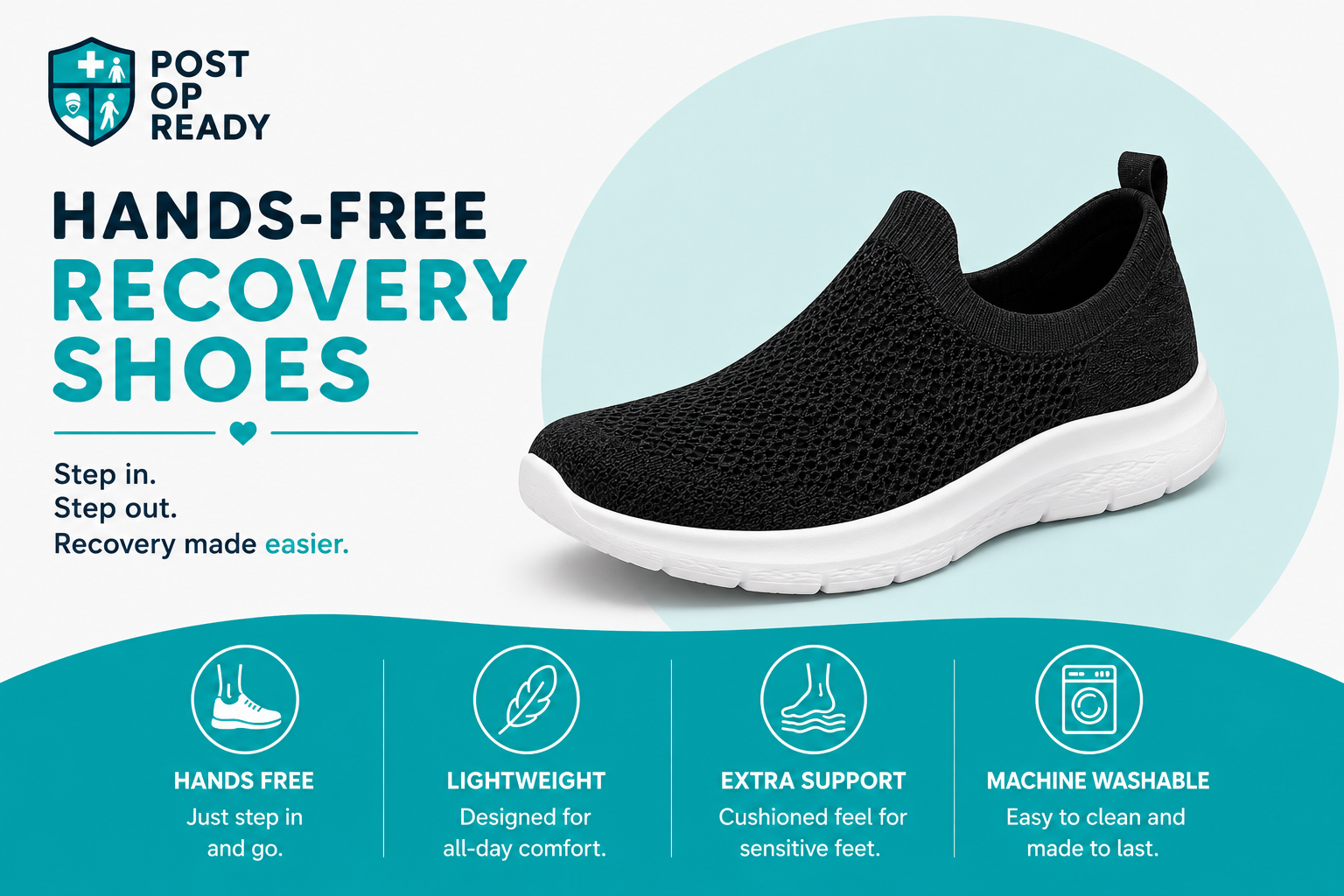
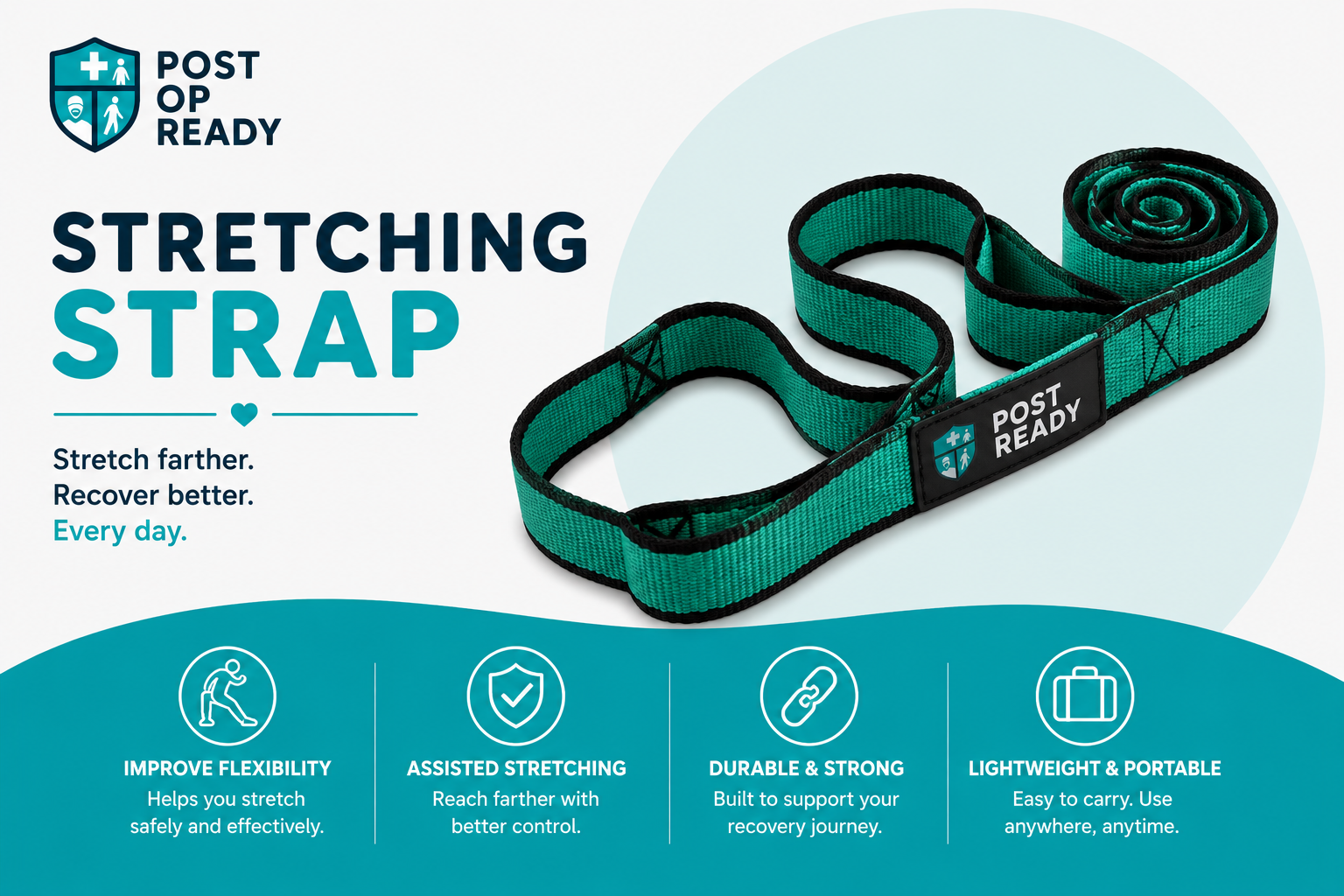
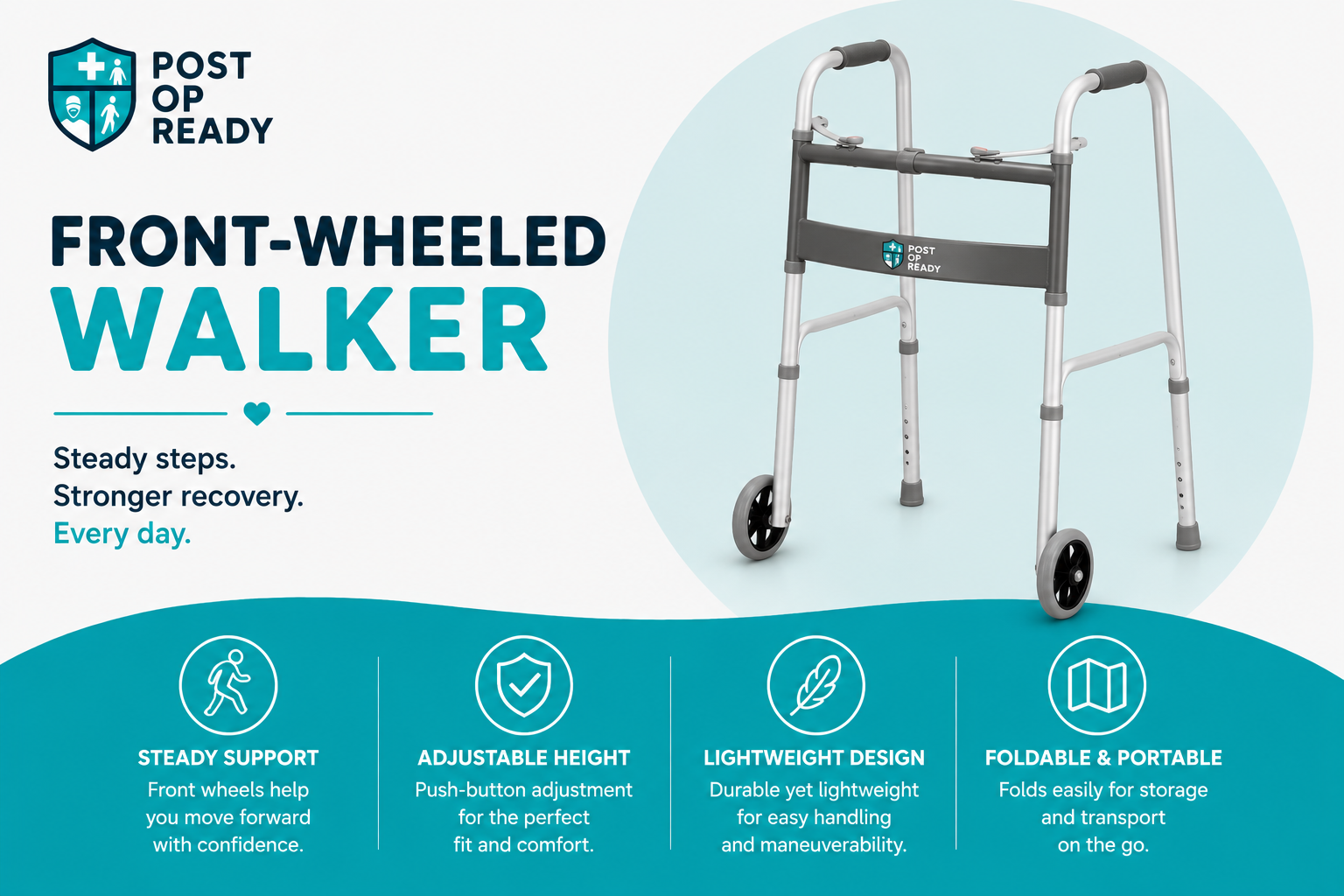
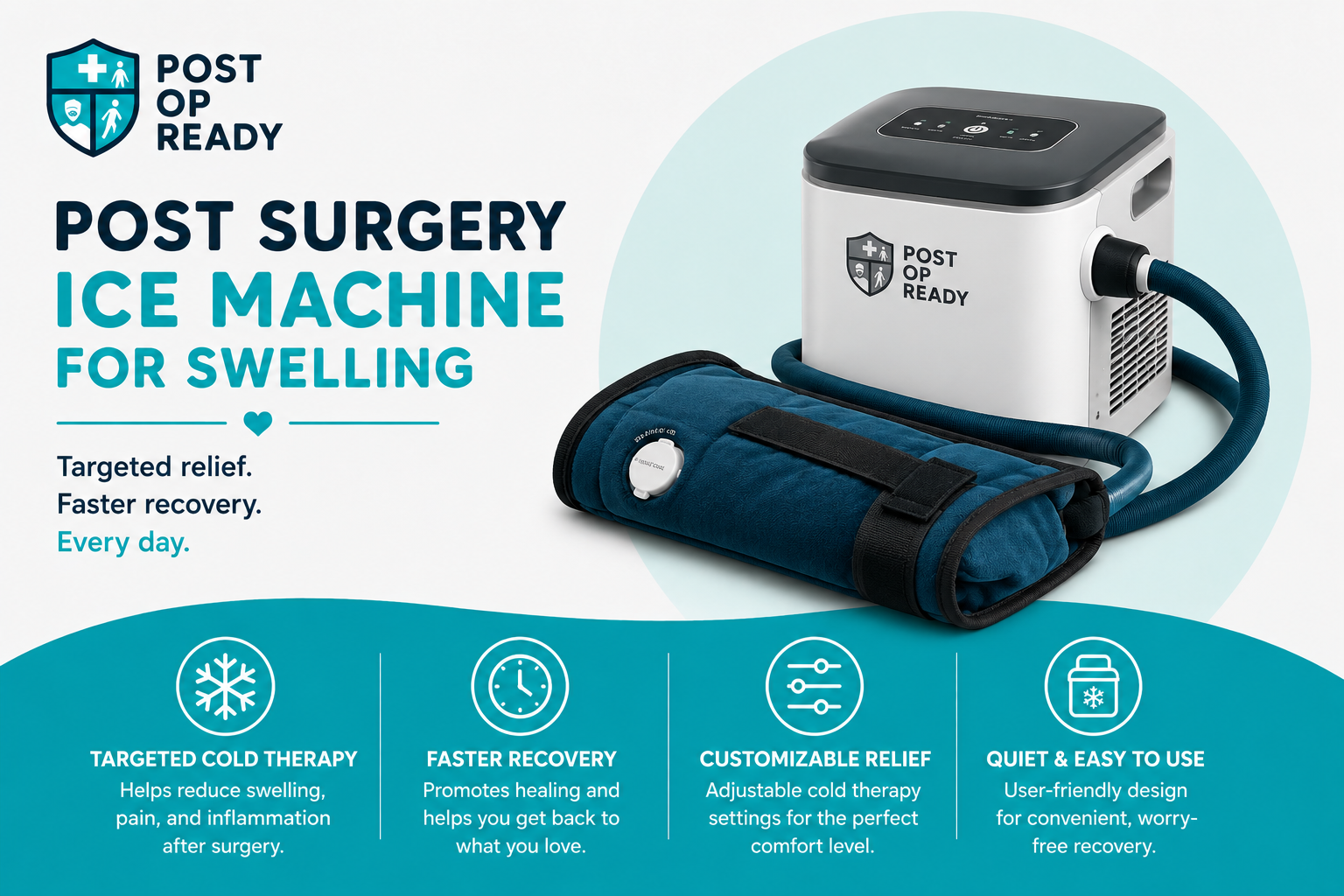
Must-Have Recovery Tools After Knee Replacement
A Final Thought
A total knee replacement is a big decision, but it’s also a step toward regaining comfort and function. This really is an amazing surgery and typically has amazing results if you put the work in. The first several weeks will likely be challenging but knowing what to expect makes recovery less intimidating and more manageable.
You don’t have to go into surgery guessing — preparation can be one of your biggest advantages. Just remember, you got this 🙌
Feeling overwhelmed about knee replacement recovery? For step-by-step preparation and recovery education specific to total knee replacement, the TKA Preparation Guide offers a more detailed roadmap.
Preparing for knee replacement?
Get clear, patient-friendly education delivered to your inbox.
No protocols. No pressure. Just clarity.
Unsure what kind of exercise equipment will help you heal faster?
See the Post Op Ready Recovery Tools Page to give you the edge you need.
Important Disclaimer
All content on this page is for educational and informational purposes only and does not replace medical advice, diagnosis, or treatment. Always follow the guidance of your surgeon and medical team for your specific recovery plan.