
EXPERT GUIDANCE. REAL SUPPORT. BETTER RECOVERY.
Knee Replacement Recovery: What to Expect & How to Prepare
Preparing for knee replacement surgery can feel overwhelming. Get expert guidance on recovery timelines, sleep, swelling, home preparation, caregiver support, and the first weeks after surgery.
✔ Understand what to expect
✔ Prepare your home and recovery space
✔ Learn what symptoms are normal
✔ Recover with confidence

Post Op Ready was created by a licensed physical therapist to help patients and caregivers feel informed, prepared, and supported before and after surgery.
Trusted.
Practical.
Created by a Physical Therapist.



Evidence-informed contentHundreds helpedCompassionate & practicalMost Common Questions About Knee Replacement

SEE ALL FAQS ↓
What is a Knee Replacement?
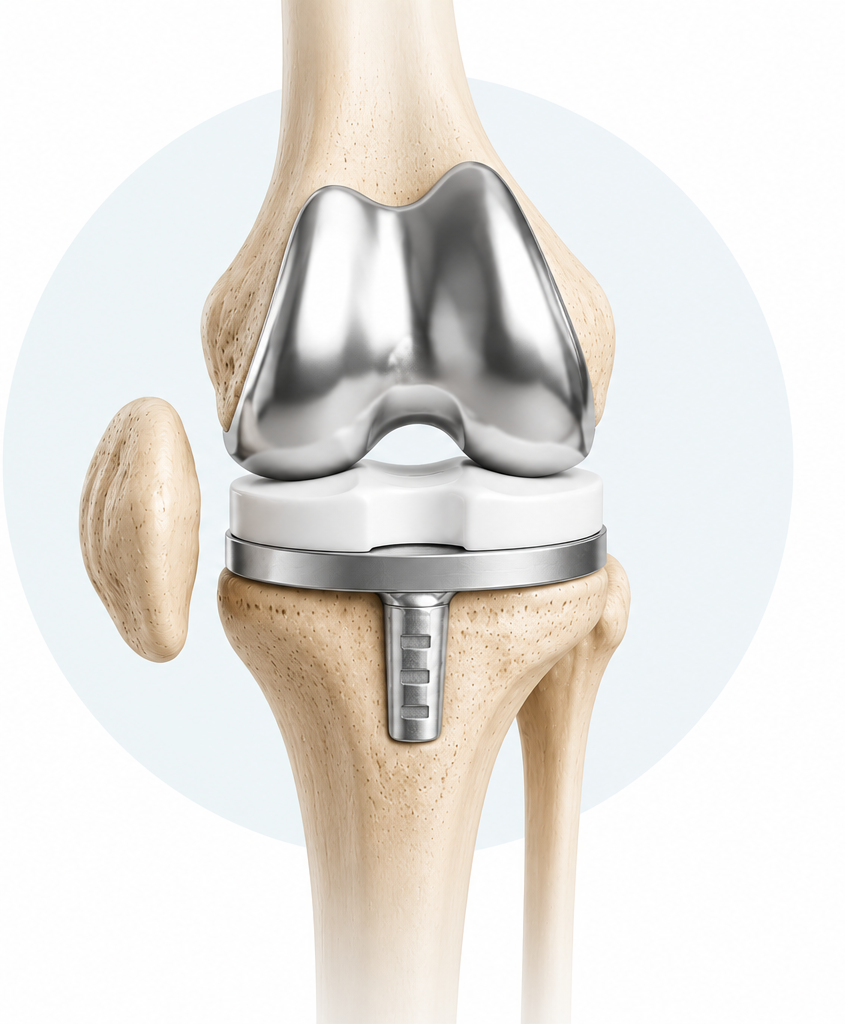
Total Knee Replacement (also called Total Knee Arthroplasty) is a surgery that replaces the damaged surfaces of your knee joint with artificial components. The goal is to relieve pain, improve function, and help you get back to the activities you love.



Why Knee Replacement Is Recommended
It is typically recommended when conservative treatments no longer provide relief and knee pain or stiffness affects your daily life.
✔ Arthritis or joint damage
✔ Chronic pain and stiffness
✔ Difficulty walking or using stairs
✔ Swelling that doesn’t improve
LEARN MORE →
Weeks 1-2
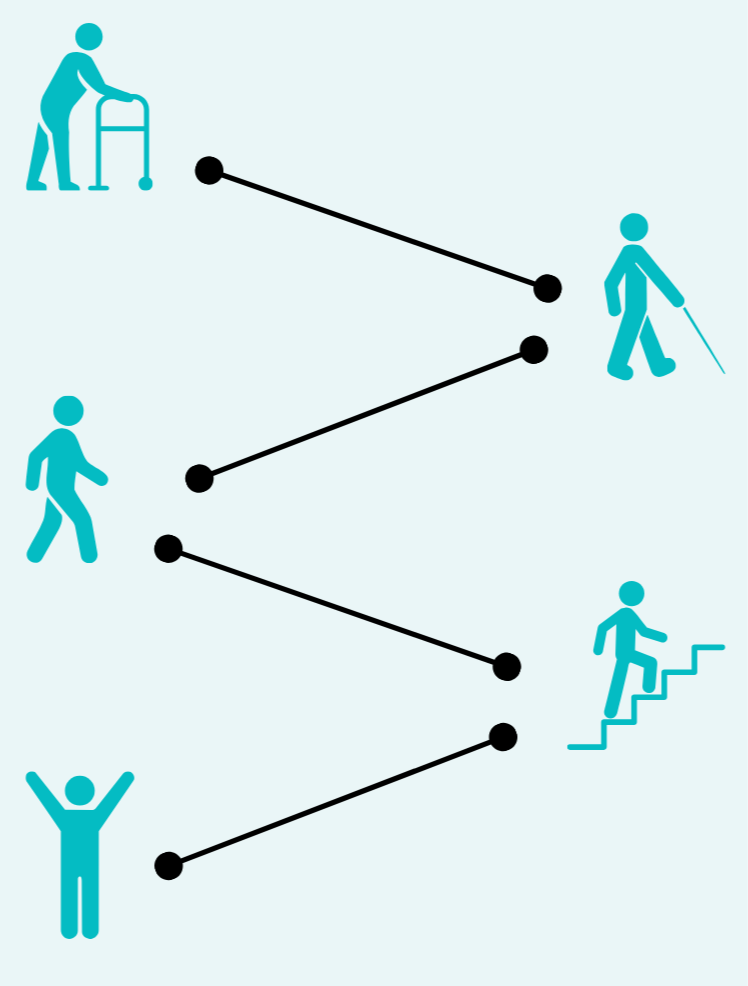
Focus on pain control, swelling management, and gentle movement. Walking with an assistive device.
Weeks 3-6
Walking improves. Stamina increases. Continue home or outpatient therapy
Weeks 6-12
Strength and range of motion improve. More independence in daily activity.
3-6 Months
Steady gains in strength, balance and function. Return to more activities.
6-12 Months
Continued improvement. Most patients will reach their best recovery in the first year.
-
Yes. Swelling commonly persists for several months after knee replacement. Many patients still notice swelling at 3–6 months, especially after increased activity. Elevation, compression, ice, and activity pacing can help.
-
Yes. Clicking, popping, or clunking is very common after knee replacement. The metal and plastic components can create sounds during movement, especially in the first several months. If the noise is not accompanied by significant pain, instability, or locking, it is usually normal.
-
Yes. It is normal for your knee to feel warm for several months after surgery. Increased blood flow is part of the healing process, and many patients notice warmth even after swelling and pain have improved. Warmth alone is usually not a concern unless it is accompanied by increasing redness, drainage, fever, or worsening pain.
-
Yes. Recovery after knee replacement is rarely a straight line. Increased activity, poor sleep, swelling, or simply having a busy day can cause temporary setbacks. It's normal to have good days and bad days as long as your overall trend is gradual improvement over time.
-
Yes. Numbness around the incision is very common after knee replacement because small skin nerves are cut during surgery. Many patients notice a numb patch on the outside of the knee that may improve over time, but some numbness can be permanent and is usually not a problem.
-
Yes. Sleep difficulties are one of the most common complaints after knee replacement. Pain, swelling, stiffness, discomfort finding a comfortable position, and changes in your normal routine can all affect sleep. Most patients notice gradual improvement over the first few months of recovery.
Is This Normal After Knee Replacement?
It’s normal to have questions. Here are some common concerns patients have during recovery.
VIEW ALL ANSWERS →

Why Preparation Matters
Understanding timelines, movement expectations, swelling patterns, and common questions ahead of time can significantly reduce stress and uncertainty.
Patients who feel prepared often report feeling more confident, calmer, and better able to focus on healing rather than worrying.
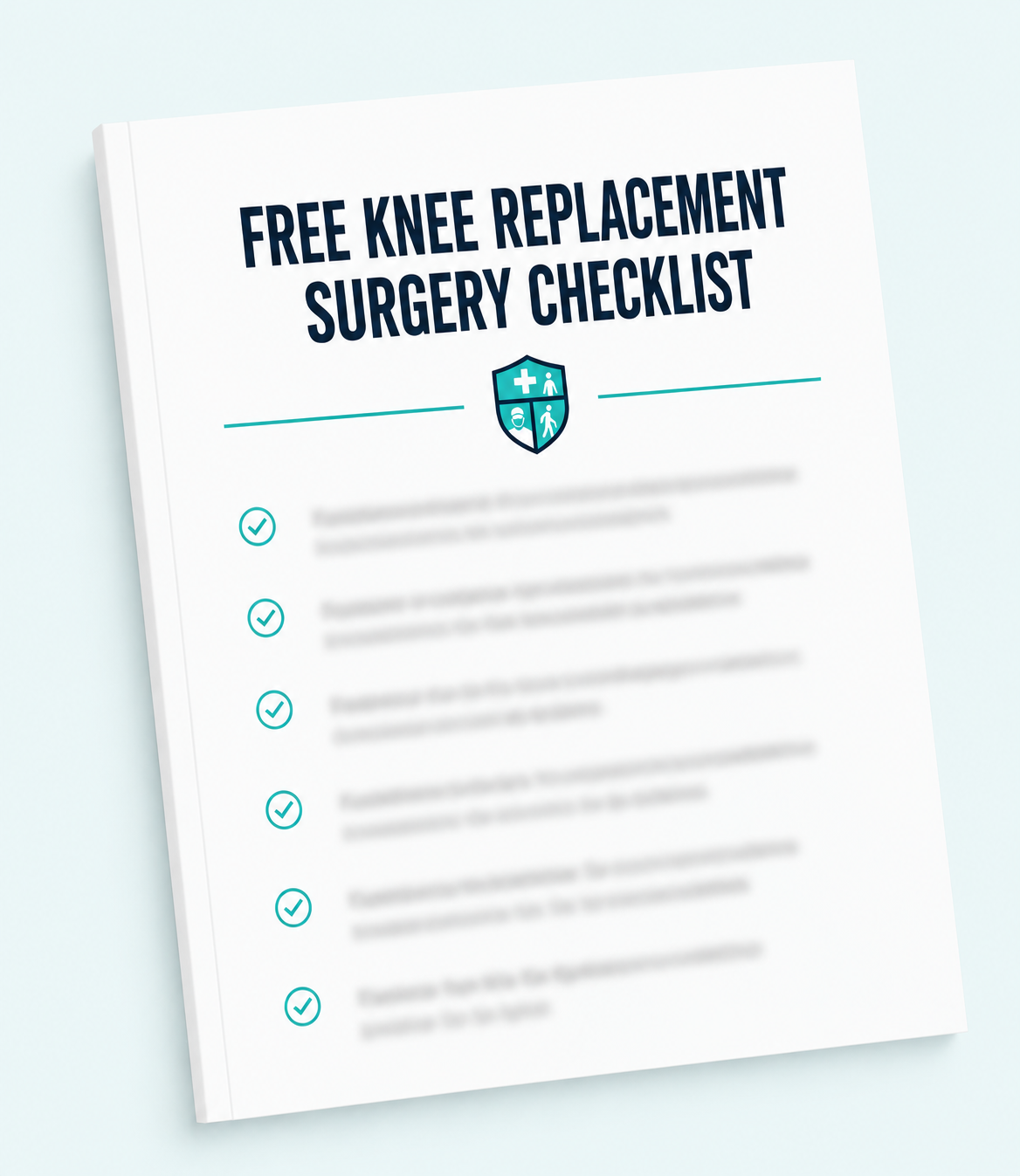
Free Knee Replacement Checklist
Get the essential checklist to help you prepare your home, recovery space, and hospital stay before surgery.

Total Knee Replacement Post Op Bundle
Your step-by-step guide through recovery — before surgery, during your hospital stay, and throughout the first weeks at home.
✔ What recovery typically feels like
✔ How to move safely and confidently
✔ What symptoms are normal vs concerning
✔ How to manage swelling, sleep and daily activities
✔ What questions to ask and what milestones to expect
LEARN MORE →
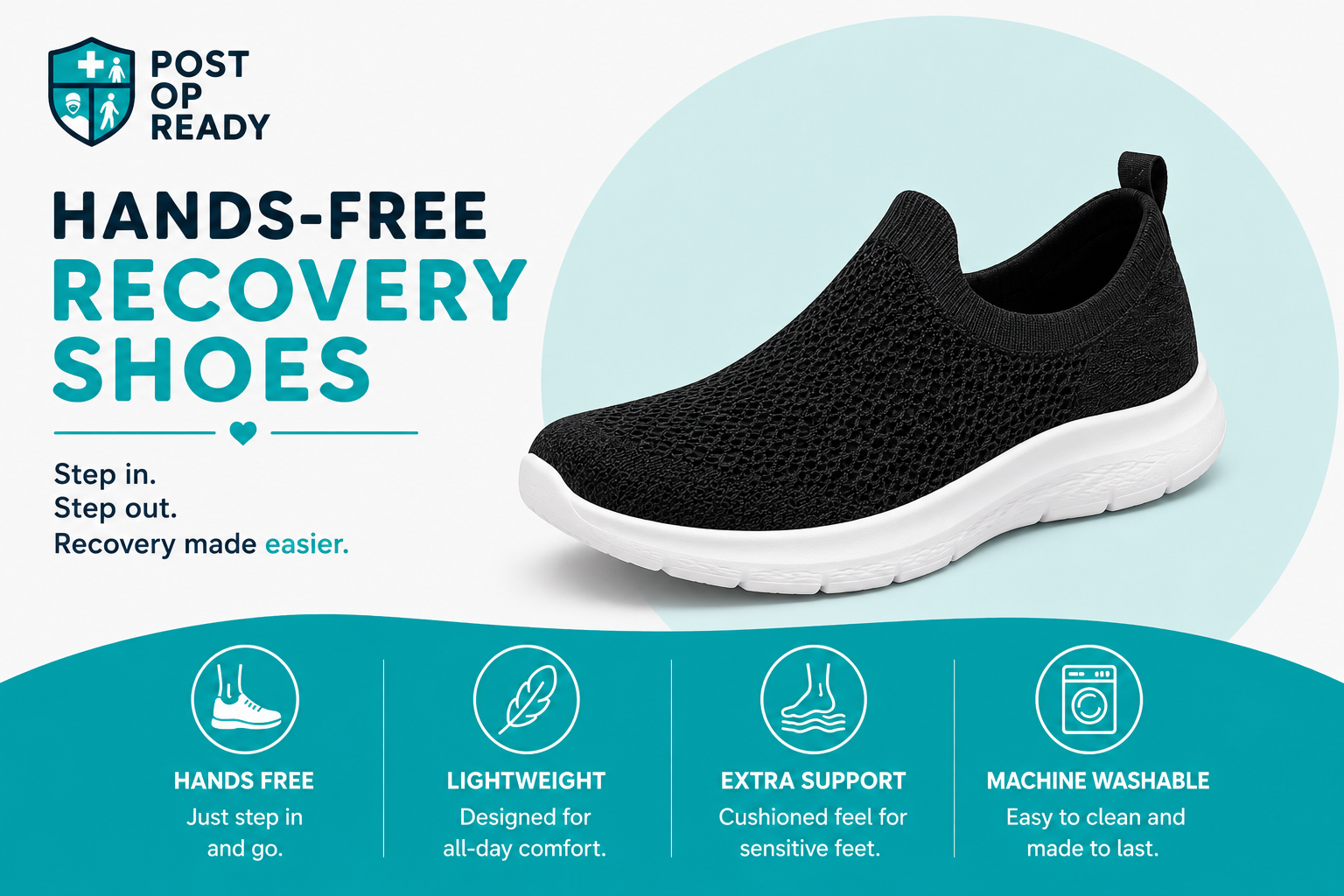
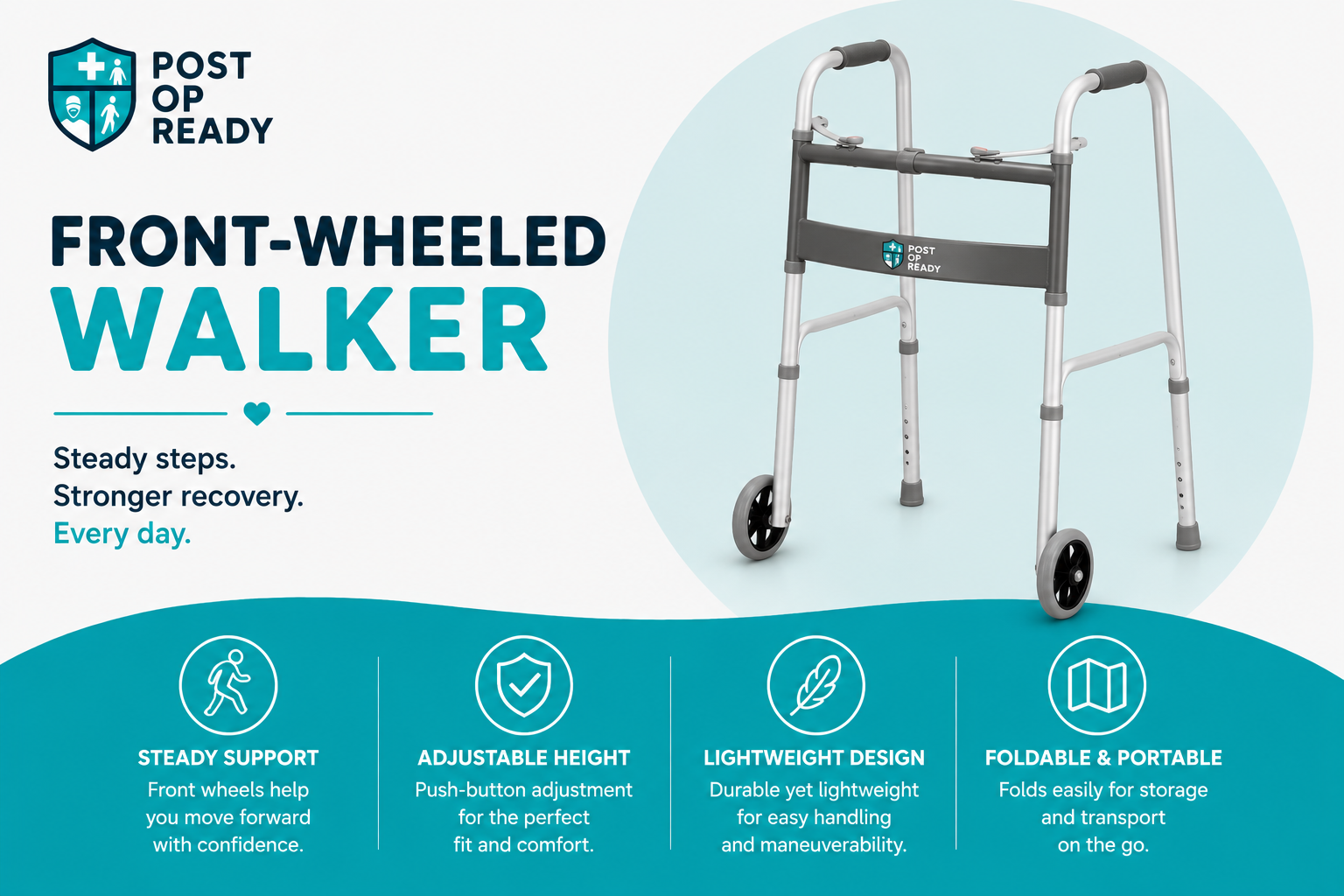
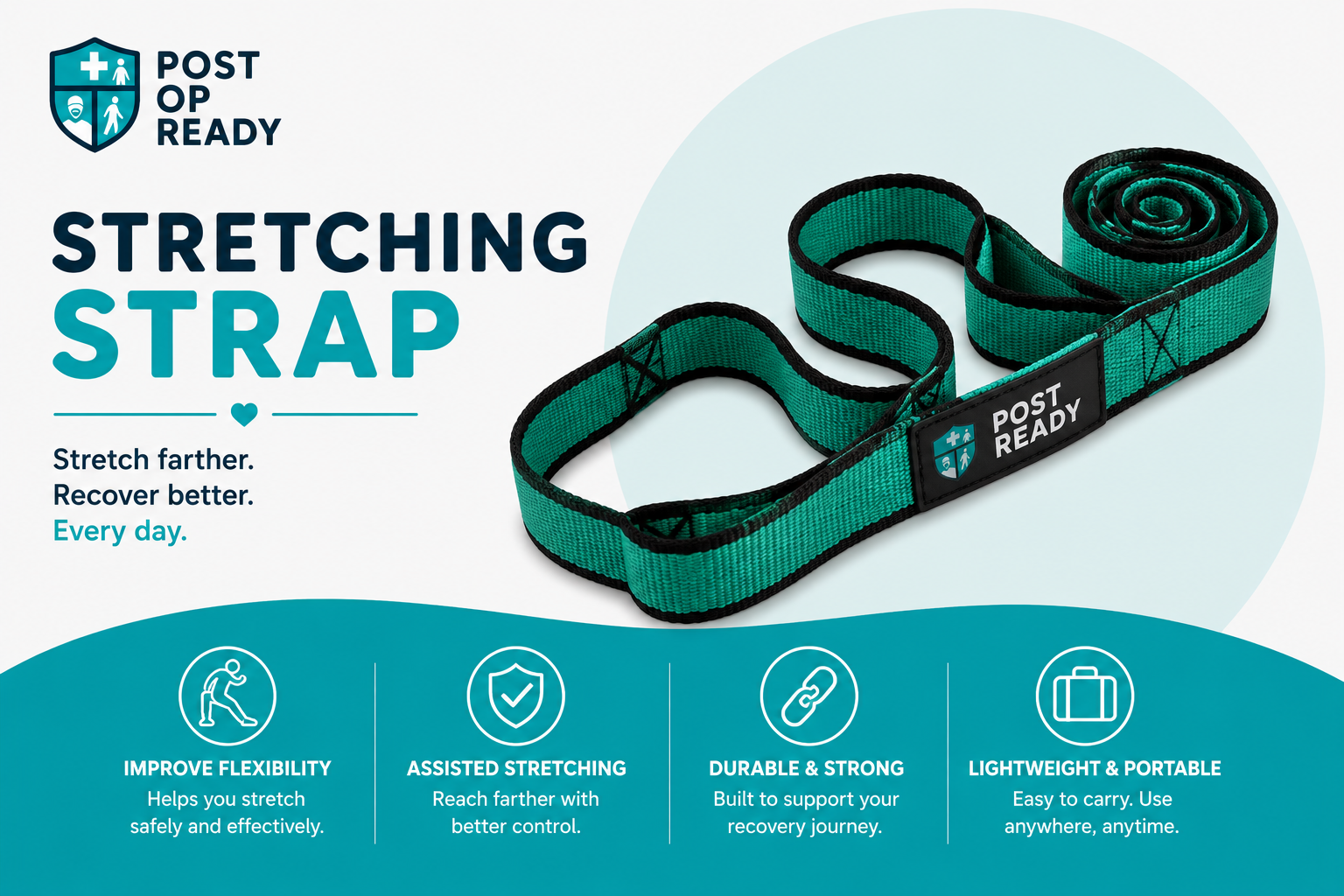
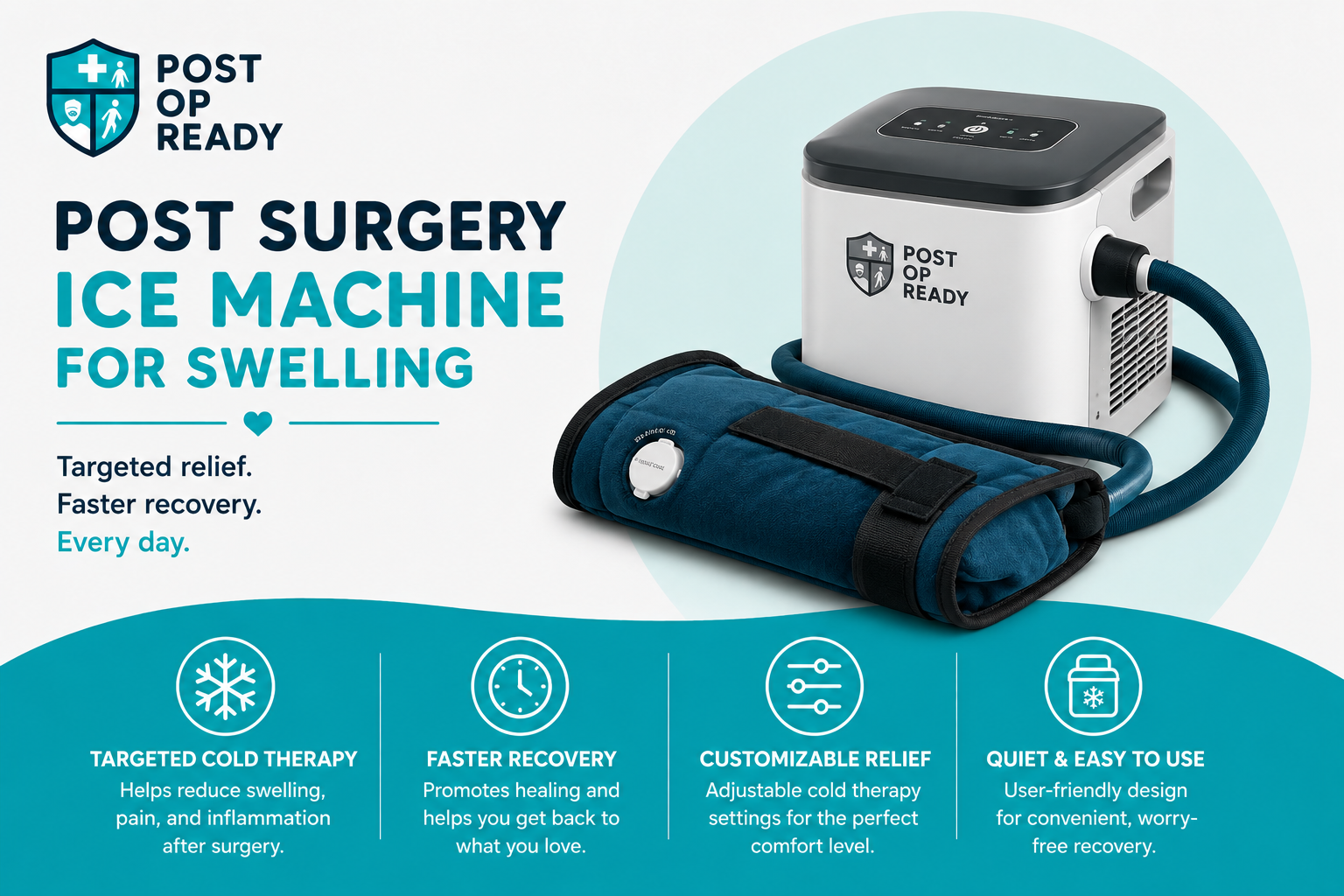
Frequently Asked Questions
-
Most people notice significant improvement within 6–12 weeks, but recovery continues for up to a year. Walking, daily activities, and pain levels often improve steadily during the first few months, while strength, endurance, and swelling can take longer to fully normalize.
-
Many patients return to driving around 2-4 weeks after surgery, but timing varies. You should be off prescription pain medication, able to safely control the vehicle, and cleared by your surgeon before driving.
-
Swelling is normal after knee replacement and can persist for several months. Most swelling improves significantly within the first 6–12 weeks, but mild swelling may continue for 6 months or longer, especially after increased activity.
-
Sleep is often one of the most frustrating parts of recovery. Many patients experience disrupted sleep during the first several weeks. Improvement commonly begins around 6–8 weeks, although some people notice sleep disturbances for several months.
-
Short local trips are usually possible within the first few weeks. Longer car rides and air travel may require additional planning. Always discuss travel plans with your surgeon, especially during the early recovery period when blood clot risk is highest.
-
Many patients transition from a walker to a cane within 2–6 weeks, then gradually walk without an assistive device. The timeline varies based on strength, balance, pain levels, and surgeon recommendations.
-
Contact your surgeon if you experience increasing redness, drainage, fever, severe calf pain, significant swelling that suddenly worsens, chest pain, shortness of breath, or pain that is rapidly increasing instead of gradually improving.
-
Yes. Many patients notice clicking, clunking, or popping sensations after knee replacement. These sounds are often caused by the artificial components and surrounding soft tissues adjusting during movement. If the sounds are accompanied by severe pain, instability, or sudden changes in function, contact your surgeon.
-
Stiffness is extremely common during recovery, especially in the morning, after sitting, or after increased activity. Swelling, healing tissues, and reduced movement all contribute to stiffness. Consistent movement throughout the day typically helps.
-
A knee replacement often feels warmer than the surrounding skin for several months because healing increases blood flow to the area. Mild warmth is usually normal. Contact your surgeon if warmth is accompanied by increasing redness, drainage, fever, or worsening pain.

Recover with Confidence
Whether you’re preparing for surgery or already recovering, Post Op Ready provides practical guidance to help you feel informed, prepared, and supported every step of the way.