
EXPERT GUIDANCE. REAL SUPPORT. BETTER RECOVERY.
Rotator Cuff Recovery: What to Expect & How to Prepare
Preparing for rotator cuff surgery can feel overwhelming. Get expert guidance on recovery timelines, sling use, sleep positioning, home preparation and the first few weeks after surgery.
✔ Understand what to expect
✔ Prepare your home and recovery space
✔ Learn what symptoms are normal
✔ Recover with confidence


Trusted.
Practical.
Created by a Physical Therapist.



Post Op Ready was created by a licensed physical therapist to help patients and caregivers feel informed, prepared, and supported before and after surgery.Evidence-informed contentHundreds helpedCompassionate & practicalMost Common Questions About Rotator Cuff Repair

SEE ALL FAQS ↓
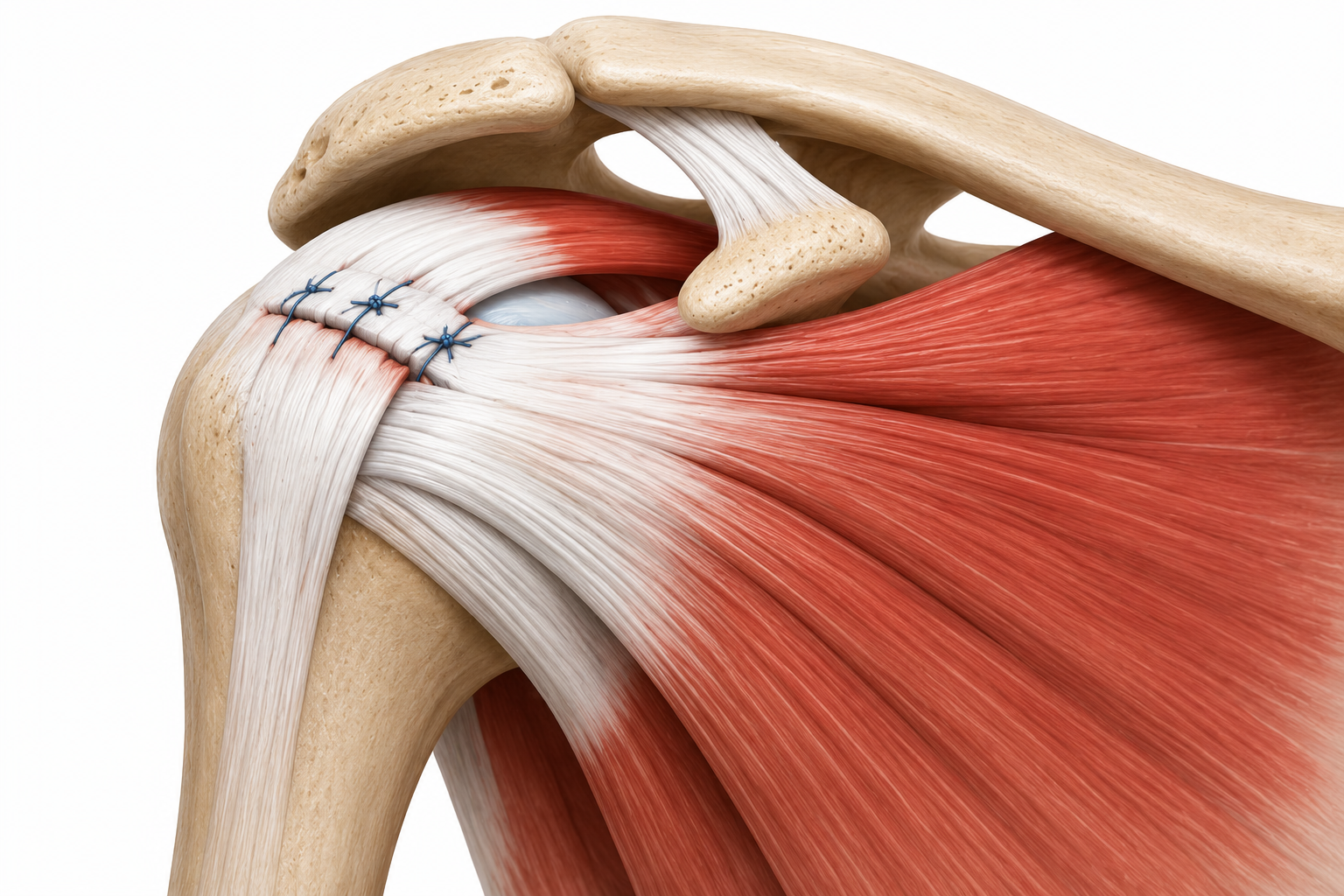
What is a Rotator Cuff Repair?
Rotator Cuff Repair is a surgery that reattaches torn tendons of the rotator cuff to the bone to relieve pain, restore function, and prevent further damage.


Why Rotator Cuff Repair Is Recommended
It is typically recommended when conservative treatments no longer provide relief and shoulder pain affects your daily life.
✔ Persistent shoulder pain
✔ Weakness or loss of function
✔ Torn or retracted tendon
✔ Difficulty with daily activities
LEARN MORE →
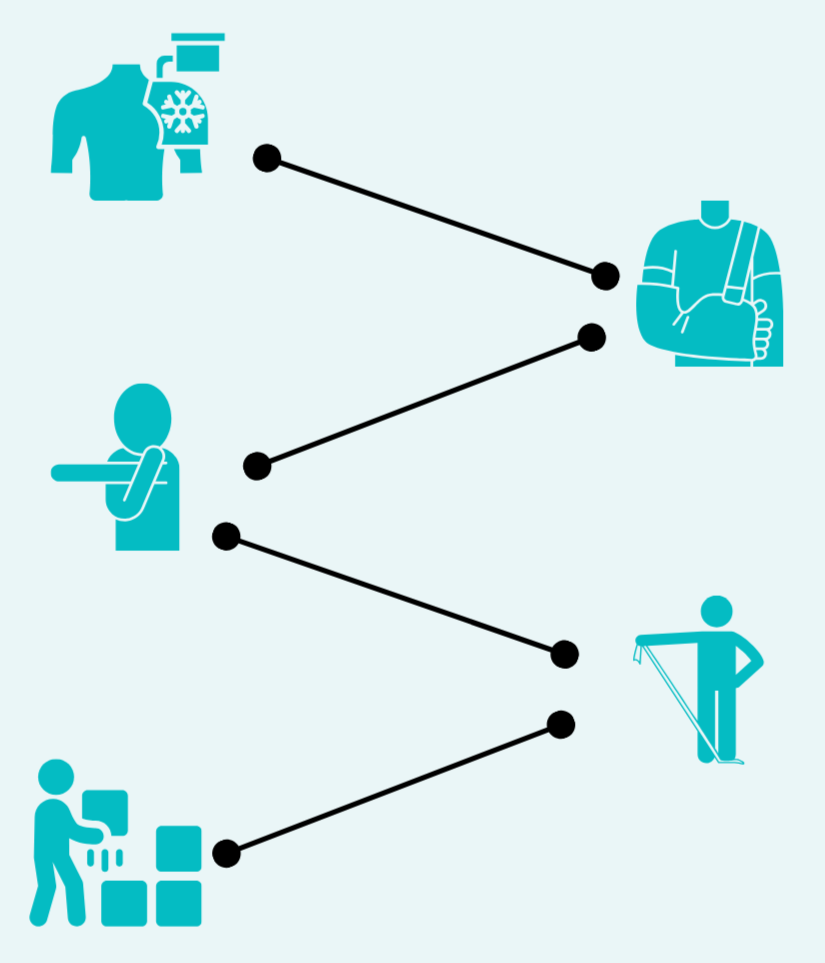
Weeks 1-2
Focus on pain control, sling use, swelling management, and gentle movement of elbow/wrist/hand.
Weeks 2-6
Continued sling use. Begin passive range of motion as directed.
Weeks 6-12
Progress to active motion and light activities.
3-6 Months
Build strength and endurance. Return to more activities.
6-12 Months
Continue strengthening and return to the activities you love.
Is This Normal After Rotator Cuff Repair?
It’s normal to have questions. Here are some common concerns patients have during recovery.
VIEW ALL ANSWERS →
-
Yes. It is normal to have soreness for several months after rotator cuff repair. Tendons heal slowly, and discomfort often increases temporarily as activity levels increase. Recovery is gradual and often requires patience.
-
Usually this is normal. Many patients notice clicking, popping, or other unusual sensations during recovery as swelling decreases and tissues heal. These sensations are often painless and become less noticeable over time. Contact your surgeon if the clicking is painful or associated with a sudden loss of function.
-
Weakness is expected after rotator cuff repair. The repaired tendon and surrounding muscles need time to heal and regain strength. Many patients notice weakness for several months, especially with lifting, reaching, or overhead activities.
-
Sleep disturbances are one of the most common complaints after rotator cuff repair. Sling use, shoulder discomfort, stiffness, and difficulty finding a comfortable position can make sleep challenging. Most patients gradually notice improvement as healing progresses.
-
This is completely normal. Recovery from rotator cuff repair is rarely a straight line. Increased activity, poor sleep, therapy sessions, or simply normal healing fluctuations can cause temporary setbacks. Focus on overall progress from week to week rather than day to day.
-
Stiffness is common after rotator cuff repair, especially during the early months of recovery. Immobilization in a sling and the healing process can temporarily limit motion. Most patients gradually regain mobility as healing progresses and activity increases.
-
Mild swelling in the hand and fingers can occur after surgery because the arm spends significant time in a sling. Gentle movement of the fingers, wrist, and elbow (if allowed by your surgeon) can help reduce swelling.
-
This is a very common part of recovery. Scar tissue formation, healing tendons, and temporary stiffness can all create a feeling of tightness. This sensation often improves gradually over time.
-
Many patients worry about this during recovery. Mild soreness, stiffness, or temporary increases in pain after activity do not necessarily mean the repair has failed. Contact your surgeon if you experience a significant injury, sudden loss of motion, sudden weakness, or a major increase in pain that does not improve.

Why Preparation Matters
Understanding timelines, sling management, sleep positions, and common questions ahead of time can significantly reduce stress and uncertainty.
Patients who feel prepared often report feeling more confident, calmer, and better able to focus on healing rather than worrying.
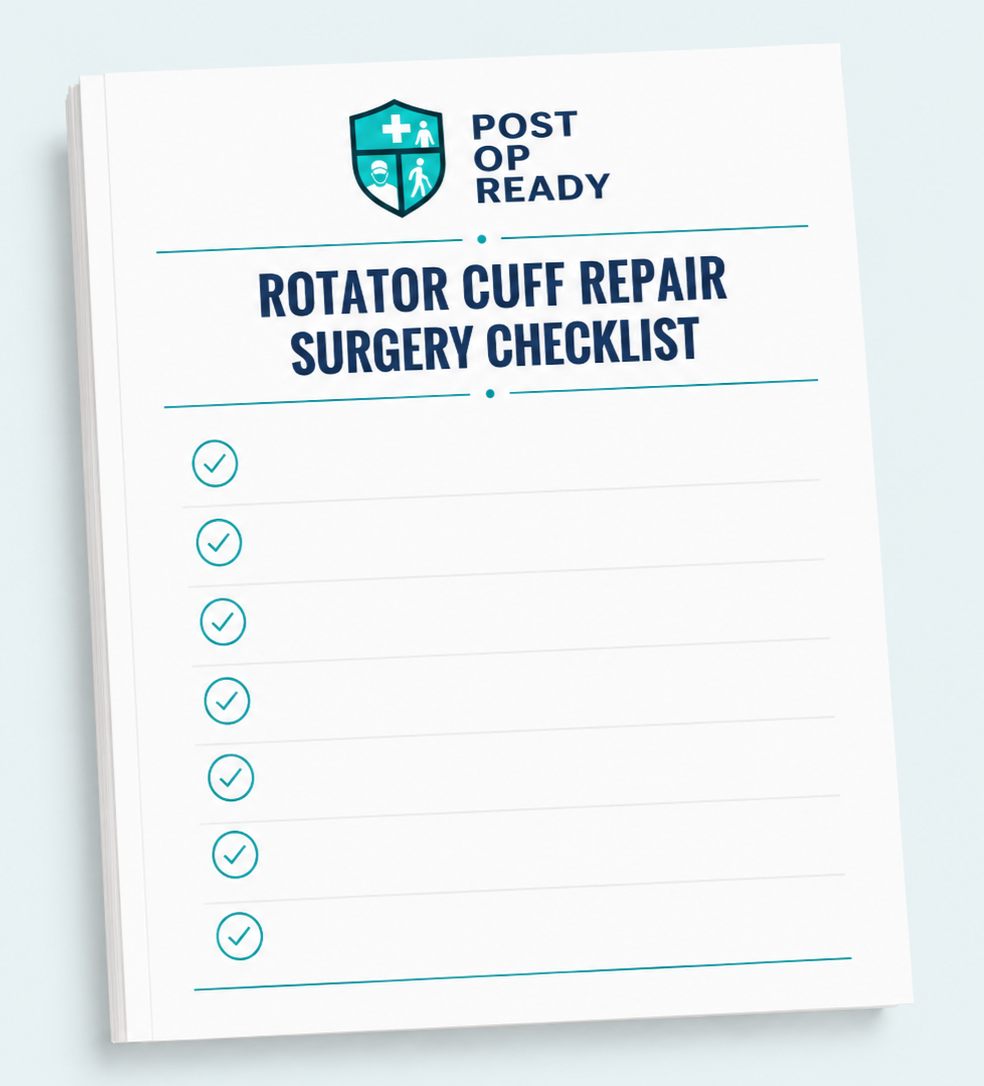
Free Rotator Cuff Repair Checklist
Prepare your home, sling setup, and recovery space before surgery.

Rotator Cuff Repair Post Op Bundle
Your step-by-step guide through recovery — before surgery, during your hospital stay, and throughout the first weeks at home.
✔ What recovery typically feels like
✔ How to move safely and confidently
✔ What symptoms are normal vs concerning
✔ How to manage swelling, sleep and daily activities
✔ What questions to ask and what milestones to expect
LEARN MORE →
Frequently Asked Questions
-
Recovery after rotator cuff repair takes time because tendons heal slowly. Most patients notice meaningful improvements within 3–6 months, but full recovery and strength gains can continue for up to a year.
-
Driving is often possible once you are no longer wearing the sling, are off narcotic pain medication, and can safely control the vehicle. Always follow your surgeon's recommendations before returning to driving.
-
Most patients wear a sling for approximately 4–6 weeks after surgery, although this varies depending on the size of the tear, the type of repair performed, and your surgeon's protocol.
-
Sleep is one of the biggest challenges after rotator cuff repair. Pain, sling use, and difficulty finding a comfortable position can disrupt sleep for several weeks. Most patients gradually notice improvement over time.
-
Pain typically improves steadily during the first several weeks after surgery. Some soreness, aching, and stiffness can persist for several months as the tendon continues to heal.
-
Return to activities depends on the type of activity and your surgeon's recommendations. Light daily activities often return first, while heavier lifting, sports, and overhead activities may require several months of recovery.
-
Many patients regain excellent function following rotator cuff repair. The final outcome depends on factors such as tear size, tissue quality, age, overall health, and adherence to postoperative restrictions and rehabilitation.
-
It is common to experience temporary increases in soreness, stiffness, or discomfort during recovery. However, a significant fall, sudden injury, marked increase in pain, sudden weakness, or loss of motion should be reported to your surgeon for further evaluation.

Recover with Confidence
Whether you’re preparing for surgery or already recovering, Post Op Ready provides practical guidance to help you feel informed, prepared, and supported every step of the way.