
Why Crutch or Walker Adjustments Matter
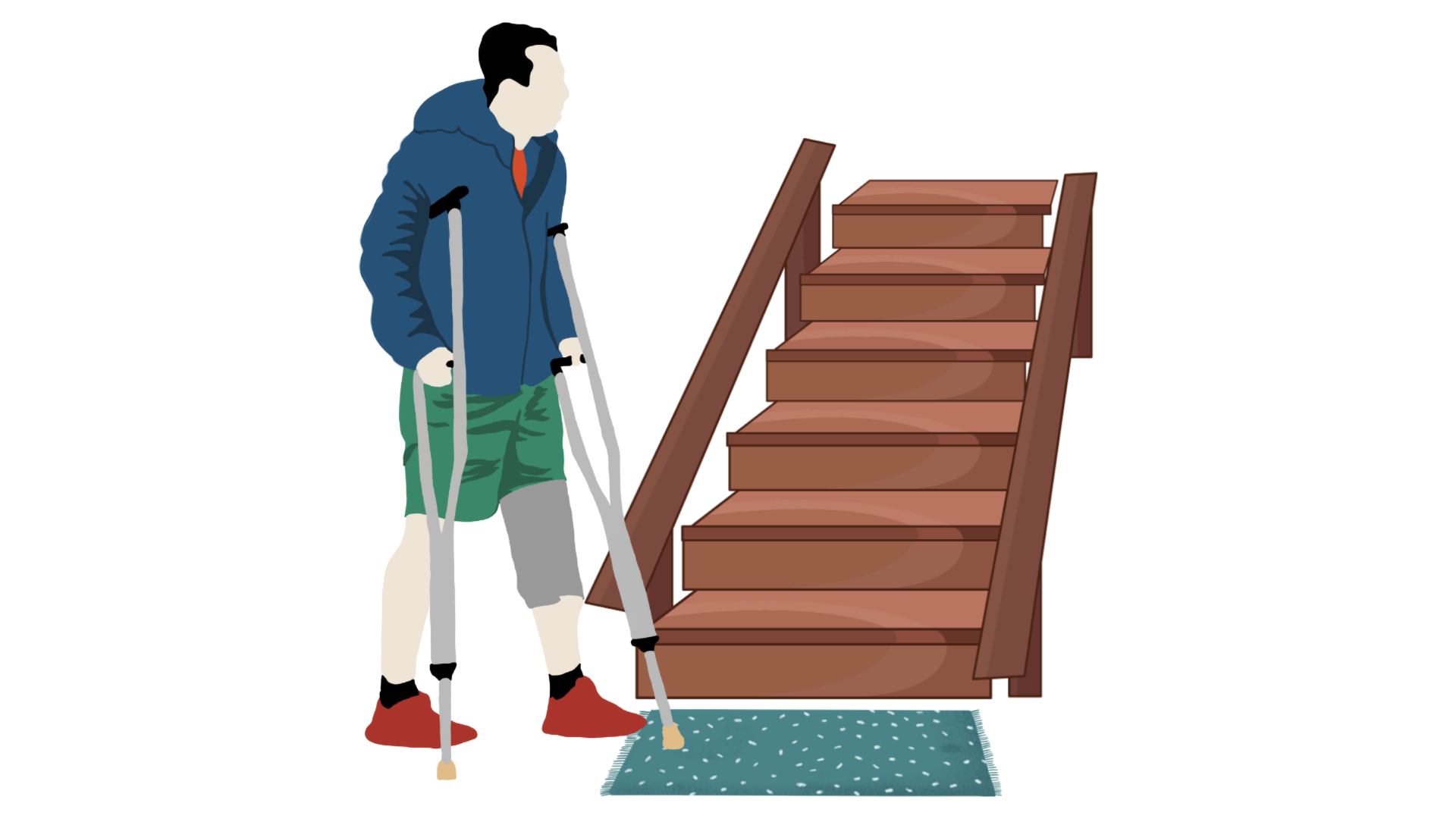
Using a crutch or walker after surgery can feel awkward at first — and that’s totally normal. But one thing that makes a huge difference right away is how your device is adjusted. A walker or crutches that aren’t set up correctly can make moving harder than it needs to be, drain your energy faster, and even put extra stress on your healing body. Getting the setup right helps you move more safely, comfortably, and confidently from day one.
Height matters more than most people realize.
If your crutches or walker are too tall or too short, your body has to compensate — and that often shows up as shoulder pain, sore wrists, back discomfort, or poor balance. With crutches, the top should sit about 1–2 inches below your armpits, and your elbows should bend slightly when you hold the hand grips. With a walker, your elbows should also have a small bend (about 15–30 degrees). This position helps your arms support you without overworking.
Proper setup protects your surgical site 🛡️
The whole point of a walker or crutches is to help you offload or protect the area that just had surgery. If the device isn’t adjusted correctly, you may unknowingly put too much weight through your healing leg, hip, or arm — or move in awkward ways to compensate. Proper adjustments help distribute weight safely and keep your movement pattern as efficient as possible.
Comfort = energy saved 🔋
Recovery already takes a lot out of you. If your mobility aid isn’t adjusted well, walking even short distances can feel exhausting. A properly fitted device allows smoother movement, better balance, and less strain on your upper body — which means you’ll have more energy for daily tasks, therapy, and healing.
Helpful adjustment tips to keep in mind:
✔️ Ask your physical therapist or healthcare provider to adjust your walker or crutches before you leave the hospital
✔️ Make sure hand grips feel comfortable and secure
✔️ Check rubber tips, wheels, and brakes regularly
✔️ Don’t ignore discomfort — even small adjustments can make a big difference
✔️ Practice short walks at home before pushing distance or speed
Crutches and walkers aren’t just tools — they’re temporary partners in your recovery 🤝. When adjusted properly, they protect your body, reduce unnecessary strain, and help you move with more confidence. Taking a few extra minutes to get the setup right can make your recovery safer, smoother, and a whole lot more comfortable.
