
Understanding the Pain Curve: What’s Normal, What’s Not
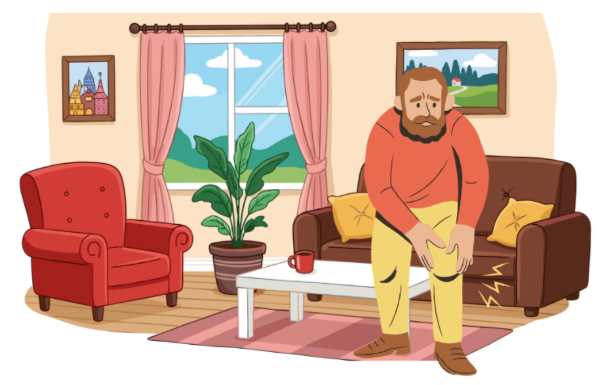
Pain after surgery can feel confusing and, honestly, a little unpredictable. Most people expect pain to slowly fade away in a straight line — getting better every single day. But recovery rarely works that way. Instead, pain usually follows a curve, with ups and downs along the way. Knowing this ahead of time can help you feel calmer and more confident as your body heals 💙
For most people, pain is at its strongest during the first few days after surgery. This is when your body is reacting to the procedure and inflammation is at its peak. Pain during this stage might feel sharp, throbbing, achy, or tight. It’s also common to notice pain more when you move, change positions, or first get up after resting. While uncomfortable, this early spike is expected — it’s a sign your body has kicked healing into gear 🛠️
After those initial days, pain usually begins to slowly ease. That doesn’t mean it disappears overnight. Instead, most people notice gradual improvement over the next one to three weeks. During this phase, it’s very normal to feel sore after activity, therapy, or doing a little more than the day before — and then feel better again after resting. These small flare-ups don’t usually mean damage. They’re part of your tissues relearning how to move 🤍
One of the most important things to understand is that the “normal” pain curve is not smooth. You’ll likely have good days and tougher days, even weeks into recovery. One day you feel great, the next day you’re sore and stiff again. This doesn’t mean you’ve gone backward. Healing tissue is sensitive, and things like increased activity, poor sleep, stress, or even weather changes can temporarily turn pain up a notch 🌦️
That said, there are pain patterns that deserve attention. If pain keeps getting worse instead of gradually improving after the first few days, or if it becomes intense and constant despite rest and medication, it’s worth reaching out to your surgeon. Pain that suddenly spikes after you were doing well — especially if it comes with increased swelling, redness, or warmth — should also be checked 📞
Some types of pain should never be ignored. Sharp, electrical, burning pain; chest pain; calf pain; or pain paired with shortness of breath, dizziness, or sudden swelling are not part of a normal recovery curve. These symptoms need immediate medical attention 🚨
The big takeaway? Recovery pain is usually temporary, imperfect, and constantly changing. A normal pain curve includes ups and downs, small setbacks, and gradual improvement over time. As long as the overall trend is moving toward less pain and better movement, your body is likely doing exactly what it’s supposed to do 💪
And remember — it’s always okay to call your medical team if you’re unsure. You’re not bothering anyone. You’re taking care of yourself. Understanding your pain curve gives you clarity, confidence, and peace of mind as you move through recovery 🌱
