
Bruising After Surgery: Why It Happens and What to Expect
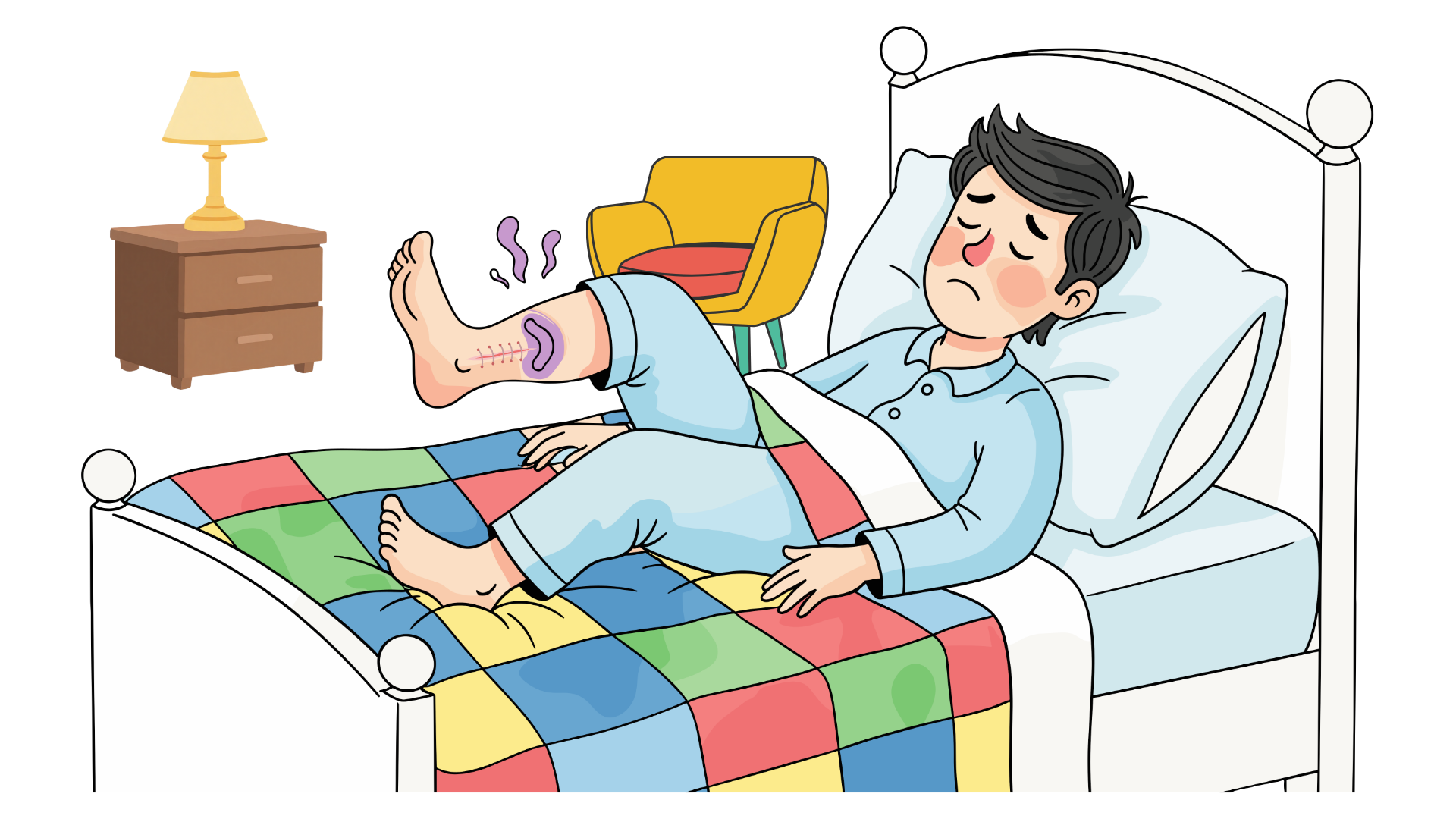
Seeing bruises pop up after surgery can be surprising — and honestly a little scary — especially if no one warned you ahead of time 😳💜💛. Those deep purple, blue, yellow, or green patches can make it look like something went very wrong. The good news? In most cases, post-surgical bruising is completely normal and simply part of how your body heals.
Bruising happens because surgery disrupts tiny blood vessels under the skin. Even when everything goes perfectly, small capillaries can leak blood into nearby tissues. That blood gets trapped under the skin, which is what creates the discoloration you see. Gravity also plays a role, so bruises may “travel” downward over time — meaning you might notice bruising away from the incision itself. Strange? Yes. Dangerous? Usually not.
Most bruising shows up within the first 1–3 days after surgery. Early on, the color is often dark purple or blue and can look dramatic 😬. Over the next 1–2 weeks, those colors typically shift — purple turns green, yellow, or brown as your body breaks down and reabsorbs the blood. That color change is actually a good sign and means healing is happening.
Everyone bruises differently. Some people barely notice any discoloration, while others look like they went a few rounds in the boxing ring 🥊. The amount of bruising depends on things like the type of surgery, how long it lasted, medications (especially blood thinners), and even genetics. More bruising doesn’t mean something went wrong — it just means your body is responding in its own way.
In most cases, bruises fade on their own without any special treatment. They should slowly become lighter, less tender, and less noticeable over time. Gentle movement, rest, and following your post-op instructions can help your body clear things out more efficiently. The biggest requirement here? Patience ⏳.
That said, there are times bruising should be checked. If bruising rapidly spreads, becomes extremely painful or tight, or comes along with increasing swelling, redness, warmth, or fever, it’s important to contact your surgeon. Very firm, painful areas under the skin could sometimes signal a hematoma (a collection of blood) that needs medical attention 🚩.
The bottom line? Bruising may look dramatic, but it’s often a sign that your body is doing exactly what it’s supposed to do. The colors fade, the tenderness eases, and your skin slowly returns to normal. Healing isn’t always pretty — but bruises are usually just part of the journey 💙
