
EXPERT GUIDANCE. REAL SUPPORT. BETTER RECOVERY.
Hip Replacement Recovery: What to Expect & How to Prepare
Preparing for hip replacement surgery can feel overwhelming. Get expert guidance on recovery timelines, mobility, home preparation, caregiver support, and the first few weeks after surgery.
✔ Understand what to expect
✔ Prepare your home and recovery space
✔ Learn what symptoms are normal
✔ Recover with confidence


Trusted.
Practical.
Created by a Physical Therapist.



Post Op Ready was created by a licensed physical therapist to help patients and caregivers feel informed, prepared, and supported before and after surgery.Evidence-informed contentHundreds helpedCompassionate & practicalMost Common Questions About Hip Replacement


SEE ALL FAQS ↓
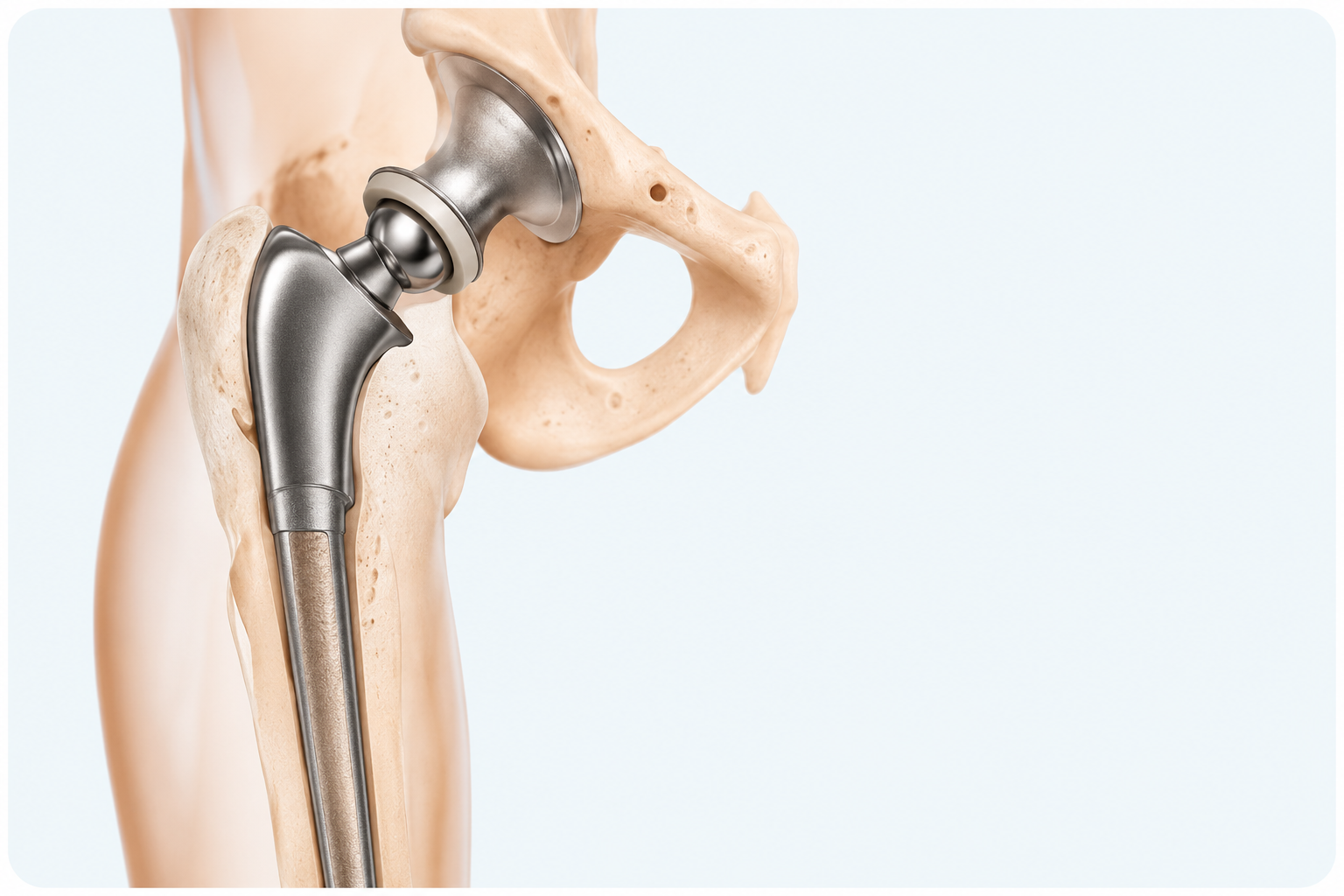
What is a Hip Replacement?
Total Hip Replacement (also called Total Hip Arthroplasty) is a surgery that replaces the damaged hip joint with an artificial implant. The goal is to relieve pain, improve mobility, and help you return to the activities you love.



Why Hip Replacement Is Recommended
It is typically recommended when conservative treatments no longer provide relief and hip pain or stiffness affects your daily life.
✔ Arthritis or joint damage
✔ Chronic pain and stiffness
✔ Difficulty walking or using stairs
✔ Limited range of motion
LEARN MORE →
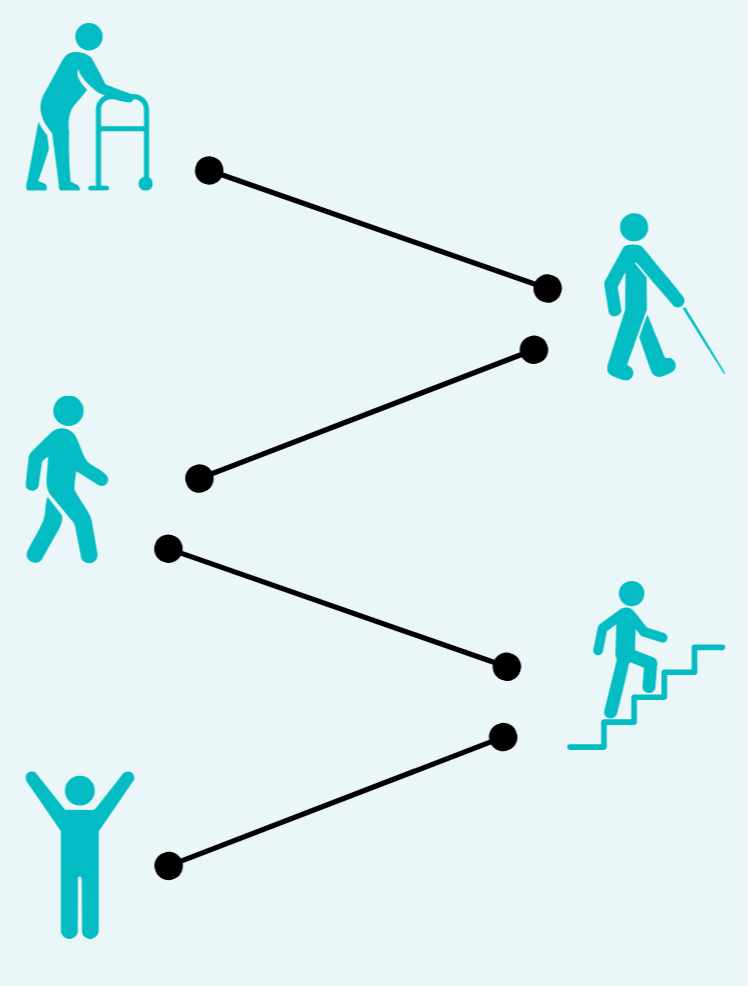
Weeks 1-2
Focus on pain control, swelling management, and gentle movement. Walking with an assistive device.
Weeks 3-6
Walking improves. Stamina increases. Continue home or outpatient therapy
Weeks 6-12
Strength and range of motion improve. More independence in daily activity.
3-6 Months
Steady gains in strength, balance and function. Return to more activities.
6-12 Months
Continued improvement. Most patients will reach their best recovery in the first year.
Is This Normal After Hip Replacement?
It’s normal to have questions. Here are some common concerns patients have during recovery.
VIEW ALL ANSWERS →
-
Yes. Swelling after hip replacement is very common and can last for several months. It often increases later in the day or after being more active. Elevation, walking in moderation, and following your surgeon's recommendations can help. Contact your surgeon if swelling is sudden, severe, associated with significant calf pain, or accompanied by shortness of breath.
-
Usually this is normal. Many patients notice clicking, popping, or other sensations as the new joint moves and surrounding muscles adjust. These sensations often become less noticeable over time. If the clicking is painful, causes instability, or suddenly changes, let your surgeon know.
-
A warm hip is common during the healing process. Increased blood flow to the surgical area can make the hip feel warmer than the opposite side for weeks or even months after surgery. Contact your surgeon if warmth is accompanied by increasing redness, drainage, fever, or worsening pain.
-
Sleep difficulties are one of the most common frustrations after hip replacement. Pain, stiffness, swelling, difficulty finding a comfortable position, and changes to your normal routine can all disrupt sleep. Most patients notice gradual improvement over the first several weeks to months.
-
This is completely normal. Recovery is rarely a straight line. Increased activity, poor sleep, swelling, or simply having a busy day can lead to temporary setbacks. A difficult day does not mean something is wrong. Focus on your overall weekly progress rather than day-to-day fluctuations.
-
Fatigue is very common after surgery. Your body is using significant energy to heal, and factors such as anesthesia, pain medication, disrupted sleep, and reduced activity can contribute to low energy levels. Most patients notice steady improvement over the first several weeks, though full recovery of stamina can take several months.

Why Preparation Matters
Understanding timelines, movement expectations, swelling patterns, and common questions ahead of time can significantly reduce stress and uncertainty.
Patients who feel prepared often report feeling more confident, calmer, and better able to focus on healing rather than worrying.
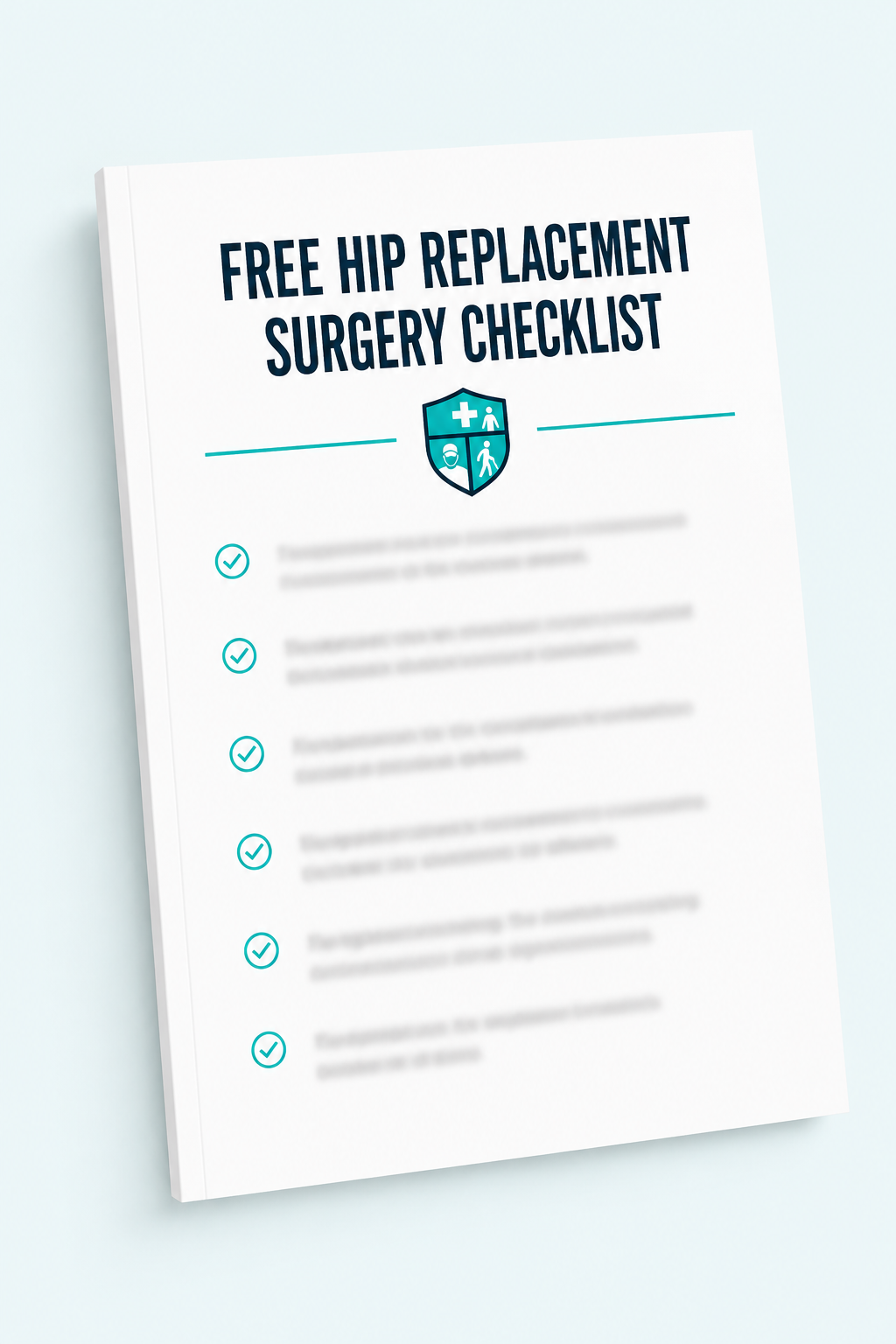
Free Hip Replacement Checklist
Prepare your home, body and recovery space before surgery.

Total Hip Replacement Post Op Bundle
Your step-by-step guide through recovery — before surgery, during your hospital stay, and throughout the first weeks at home.
✔ What recovery typically feels like
✔ How to move safely and confidently
✔ What symptoms are normal vs concerning
✔ How to manage swelling, sleep and daily activities
✔ What questions to ask and what milestones to expect
LEARN MORE →
Frequently Asked Questions
-
A: Most patients are walking the same day and see major improvements within 6–12 weeks, though full recovery can continue for up to a year.
-
A: Many patients return to driving within 2–6 weeks, depending on which hip was replaced, pain levels, and medication use. Always follow your surgeon's guidance.
-
A: Swelling is common for several weeks and can continue to improve for several months after surgery.
-
A: Many patients can gradually return to side sleeping within several weeks, often with pillow support for comfort.
-
Short local trips are usually possible within the first few weeks. Longer car rides and air travel may require additional planning. Always discuss travel plans with your surgeon, especially during the early recovery period when blood clot risk is highest.
-
A: Many patients transition away from assistive devices within 2–6 weeks, depending on strength, balance, and surgeon recommendations.
-
Contact your surgeon if you experience increasing redness, drainage, fever, severe calf pain, significant swelling that suddenly worsens, chest pain, shortness of breath, or pain that is rapidly increasing instead of gradually improving.
-
A: Restrictions vary depending on your surgical approach and surgeon preferences. Your care team will provide specific precautions if needed.
-
A: Pain typically improves significantly during the first few weeks, although soreness, stiffness, and occasional discomfort can persist for several months.
-
A: Modern hip replacements commonly last 15–25 years or longer, depending on activity levels and individual factors.

Recover with Confidence
Whether you’re preparing for surgery or already recovering, Post Op Ready provides practical guidance to help you feel informed, prepared, and supported every step of the way.