
Why Stiffness Happens and What Recovery Timelines Look Like
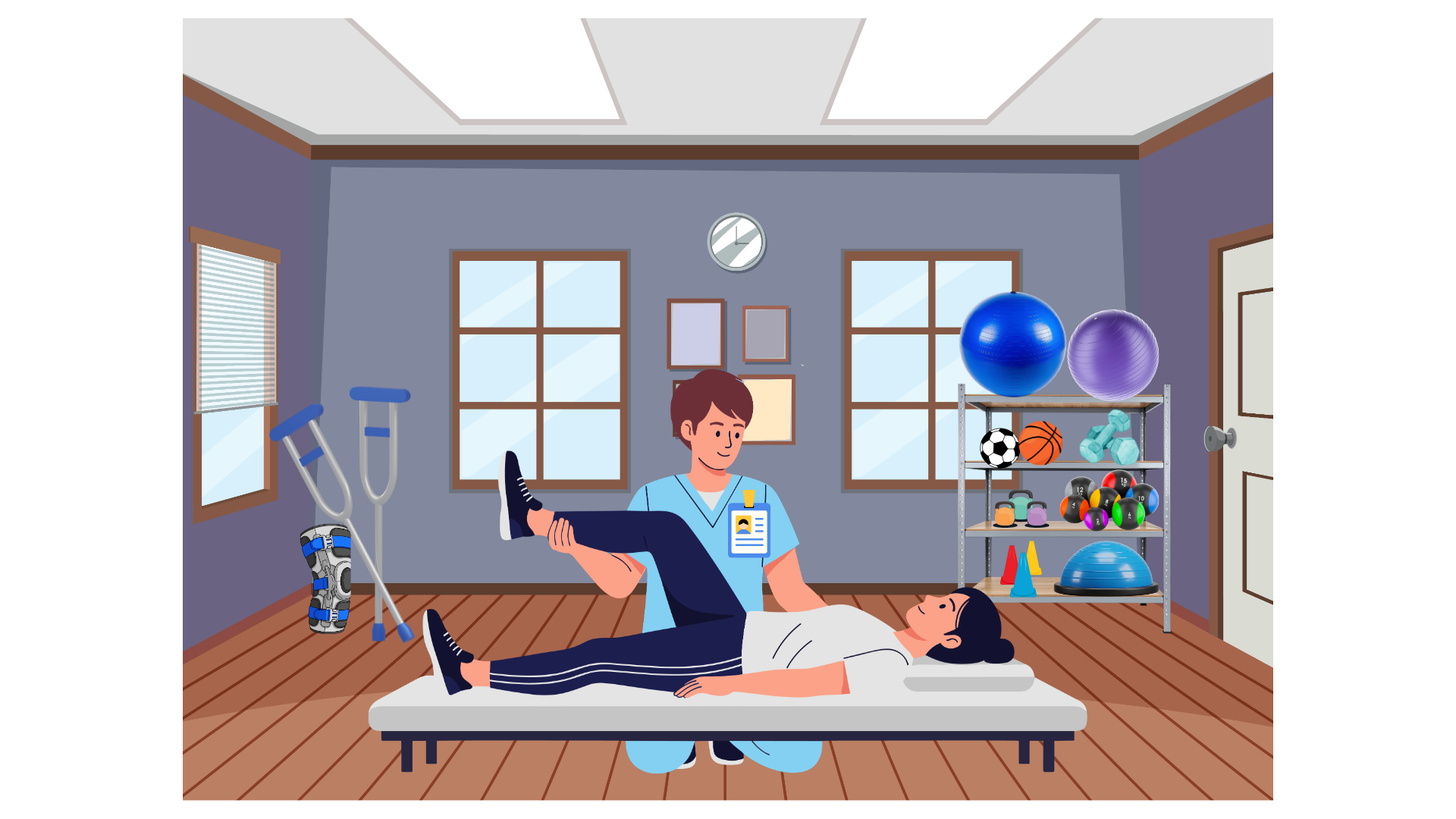
Stiffness after surgery is one of the most common — and most frustrating — parts of recovery. 😖 Many people expect pain or swelling, but stiffness often catches them off guard. Your joint may feel tight, hard to move, or even “stuck,” especially first thing in the morning or after sitting or lying down for a while. The good news? This is very normal, and for most people, it improves steadily with time and the right kind of movement.
So why does stiffness happen? After surgery, your body naturally creates inflammation to protect the area and start healing. That extra fluid in and around the joint makes it harder for tissues to glide and stretch smoothly. On top of that, you’re usually moving less than normal — which causes muscles, tendons, and connective tissues to tighten up. Scar tissue also begins forming as part of healing (which is necessary!), but without gradual, safe movement, it can contribute to that tight, restricted feeling.
For most people, stiffness is most noticeable during the first one to two weeks after surgery. Movements can feel slow, awkward, and uncomfortable. You might feel like the joint doesn’t quite belong to you yet or that it simply won’t bend or straighten the way you expect. This can be discouraging, but it does not mean your recovery is failing. 💛 It’s a very common phase.
Between weeks two and six, many patients start to notice small but meaningful improvements. Swelling often begins to ease, gentle activity feels more tolerable, and movement slowly becomes smoother. Stiffness may still show up — especially in the morning or after resting — but it’s usually more manageable. This is often when people say they feel like they’re “turning a corner,” even if progress still feels slower than they’d like.
From six weeks to three months, flexibility and function tend to improve more consistently. Daily tasks start to feel more natural, and the joint may feel less mechanical and more like yours again. 🙌 That said, it’s completely normal for stiffness to linger after heavy activity, long periods of sitting, or a poor night’s sleep.
Long-term, mild stiffness can last for several months, and sometimes up to a year depending on the surgery and the individual. This doesn’t mean something is wrong. Your tissues continue to heal and remodel long after the incision looks “healed” on the outside. What matters most is the overall pattern — stiffness that slowly improves over time is a good sign.
There are times when stiffness should be discussed with your provider. If your joint suddenly becomes more stiff instead of gradually improving, or if stiffness becomes painful enough that you lose movements you previously had, it’s worth checking in. Trust your instincts — you know your body best.
The most important thing to remember is this: stiffness is not your enemy. It’s part of the conversation your body is having as it heals. 🧠💪 With patience, consistency, and the right guidance, that tight, restricted feeling gradually gives way to smoother movement, growing confidence, and real progress forward.
You’re not behind — you’re healing. 💙
