
Why Swelling Is Normal After Surgery — and How Long It Typically Lasts
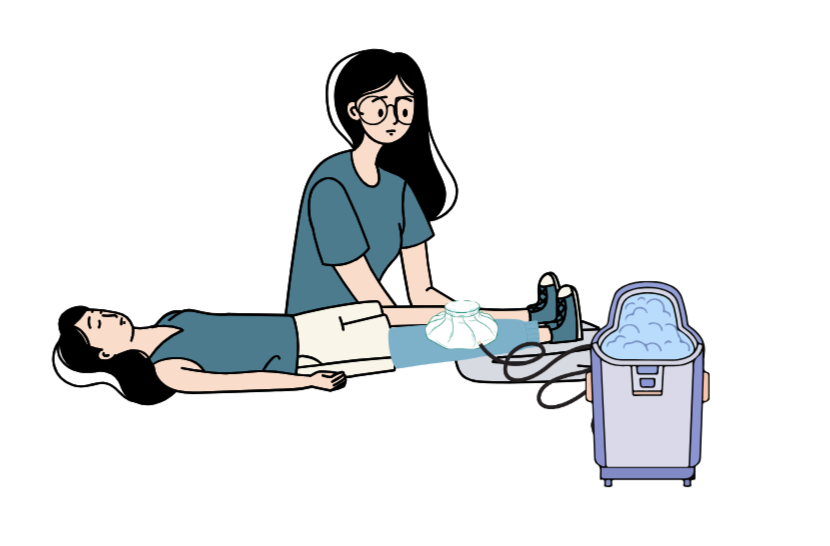
Swelling after surgery can feel pretty scary 😳 — especially if you weren’t expecting it. But most of the time, it’s actually a normal and necessary part of healing. Surgery intentionally disrupts tissue so repairs can be made, and your body responds by sending extra blood and fluid to the area. Think of it as your body’s built-in repair crew 🚑 bringing oxygen, nutrients, and healing cells to get the job done. It might look dramatic and feel uncomfortable, but it’s usually a sign your body is doing exactly what it’s supposed to do!
For most people, swelling peaks within the first 3 to 5 days after surgery ⏰. During this phase, things can feel tight, warm, puffy, and stiff. This is often when pressure feels the worst and movement feels the hardest. After that early peak, swelling typically starts to slowly calm down over the next few weeks. By about 2–3 weeks, many people notice a big improvement — although mild swelling can stick around for months, especially after larger orthopedic surgeries like joint replacements or ligament repairs. And yes… that can be totally normal 👍.
It’s important to know that swelling alone doesn’t mean something is wrong ❌. In fact, trying to rush swelling away too quickly can actually slow healing. What matters most is the trend. Normal post-op swelling is usually soft, improves with rest, and responds well to simple strategies like elevation, gentle movement, and compression (when recommended by your care team). Progress doesn’t have to be fast — it just has to be moving in the right direction.
That said, there are times when swelling deserves closer attention 🚩. Rapidly worsening swelling, severe tightness, unusual redness, fever, excessive warmth, or swelling that suddenly gets worse after it had been improving are all reasons to contact your surgeon or healthcare provider right away. These symptoms can sometimes point to infection, blood clots, or other complications — and it’s always better to check early than wait.
While swelling can be frustrating 😤, it’s often a reassuring sign that your body is hard at work behind the scenes. Healing takes time, and swelling is just one visible chapter of that process. With patience, smart care, and guidance from your healthcare team, the swelling slowly settles — making room for strength, movement, and real recovery progress 💪✨.
Help manage your postoperative swelling better with compression sleeves or ice machines! Improve your range of motion and mobility by controlling your swelling. It’s one of the best ways to get excellent results 👍👊
